
ActionAid Urges African Governments to Invest More in Agroecological Farming
ActionAid is calling for increased investment in agroecological farming, saying sustainable practices could boost crop yields, improve farmers' incomes and strengthen Africa's food security.
9 November 2026 · 2 min read
ActionAid Urges African Governments to Invest More in Agroecological Farming
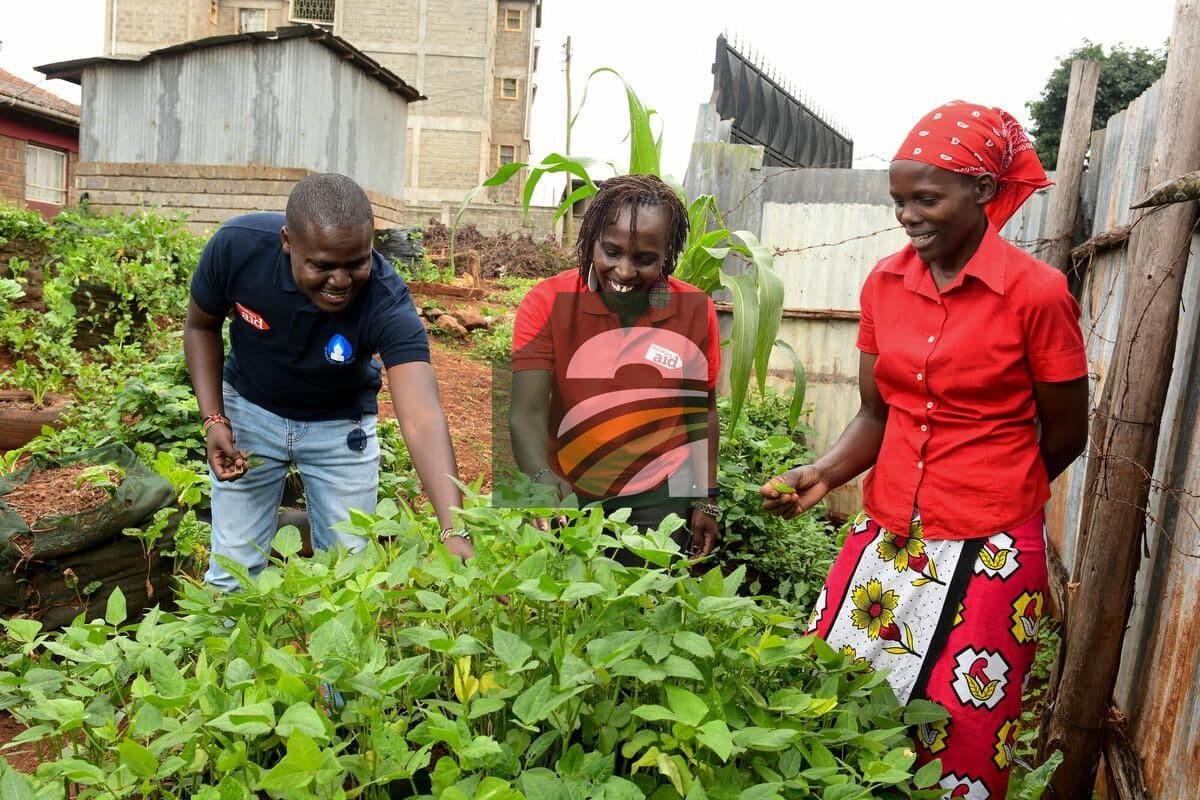
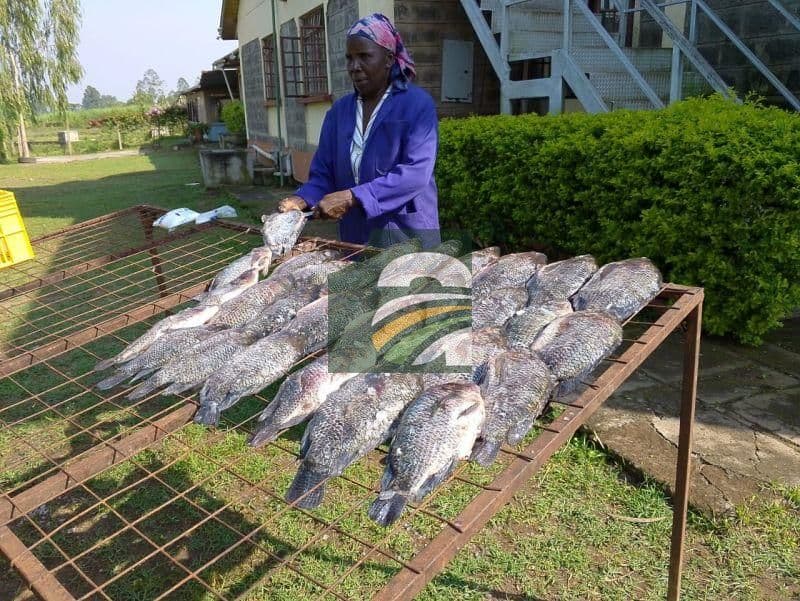
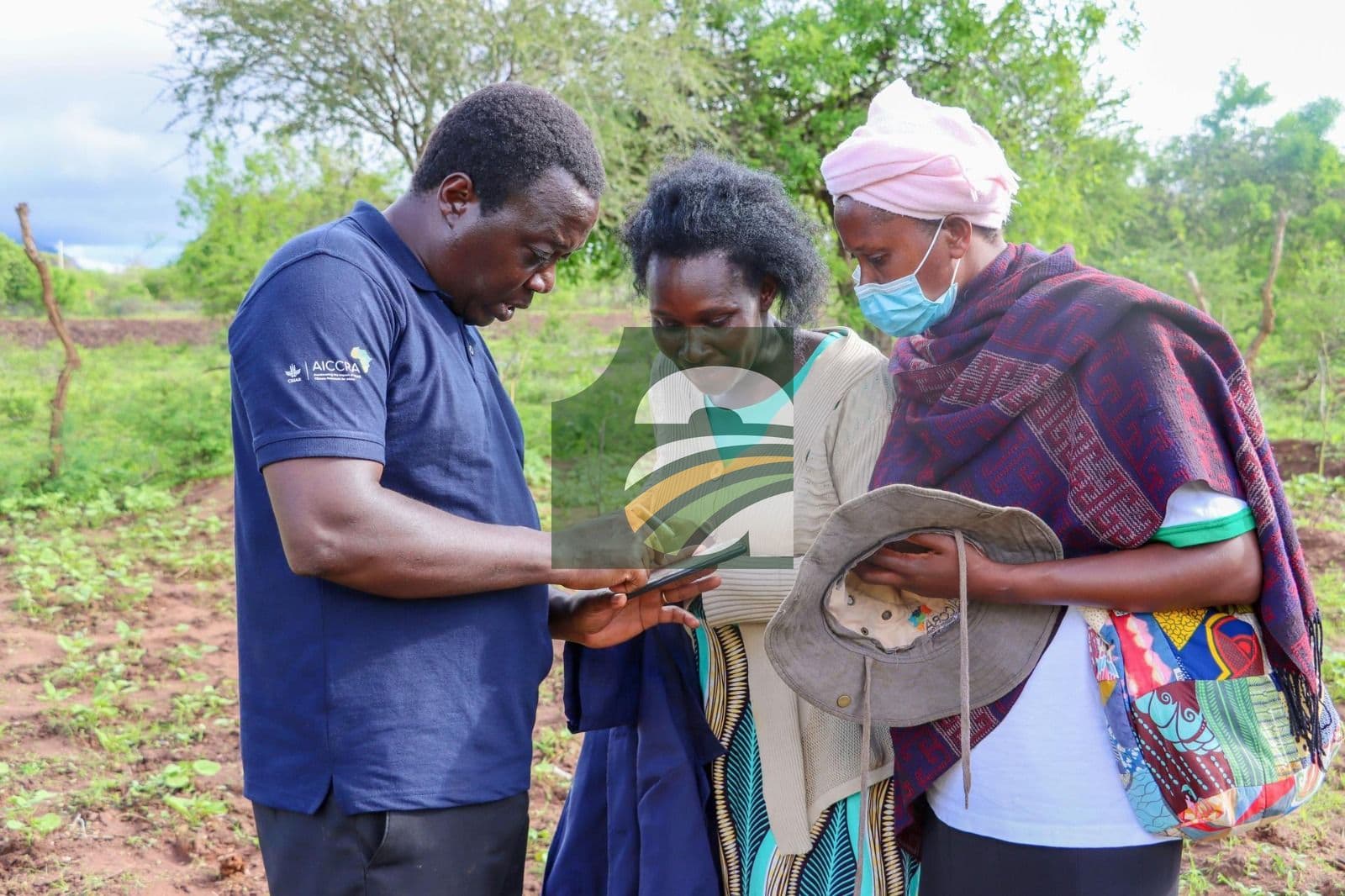
ActionAid has called on African governments to increase investment in agroecological farming, arguing that the approach could improve food security, strengthen farmers' incomes and reduce dependence on imported agricultural inputs.
In a report, titled Adapt to Thrive: Transforming Food Systems in Africa: The Case for Investing in Agroecology, the organization examined agricultural practices and policies in ten countries: Ethiopia, The Gambia, Ghana, Kenya, Malawi, Nigeria, Tanzania, Uganda, Zambia and Zimbabwe.
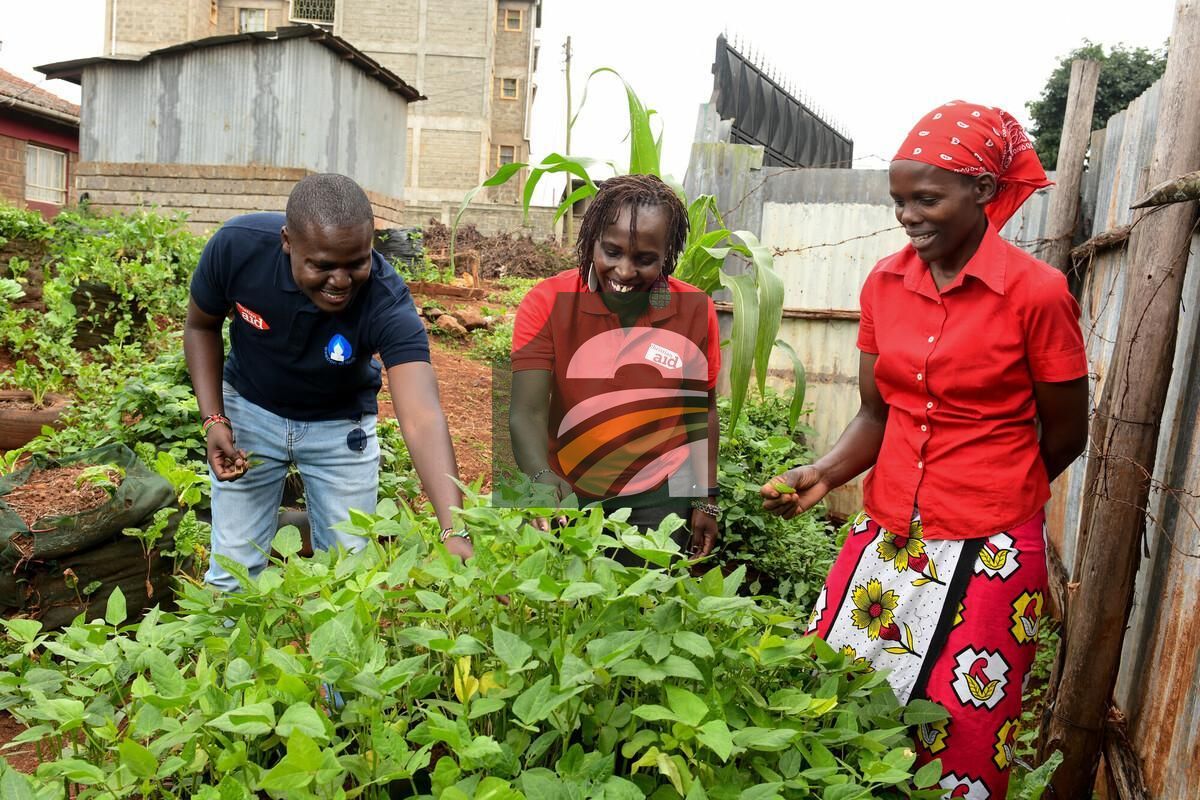
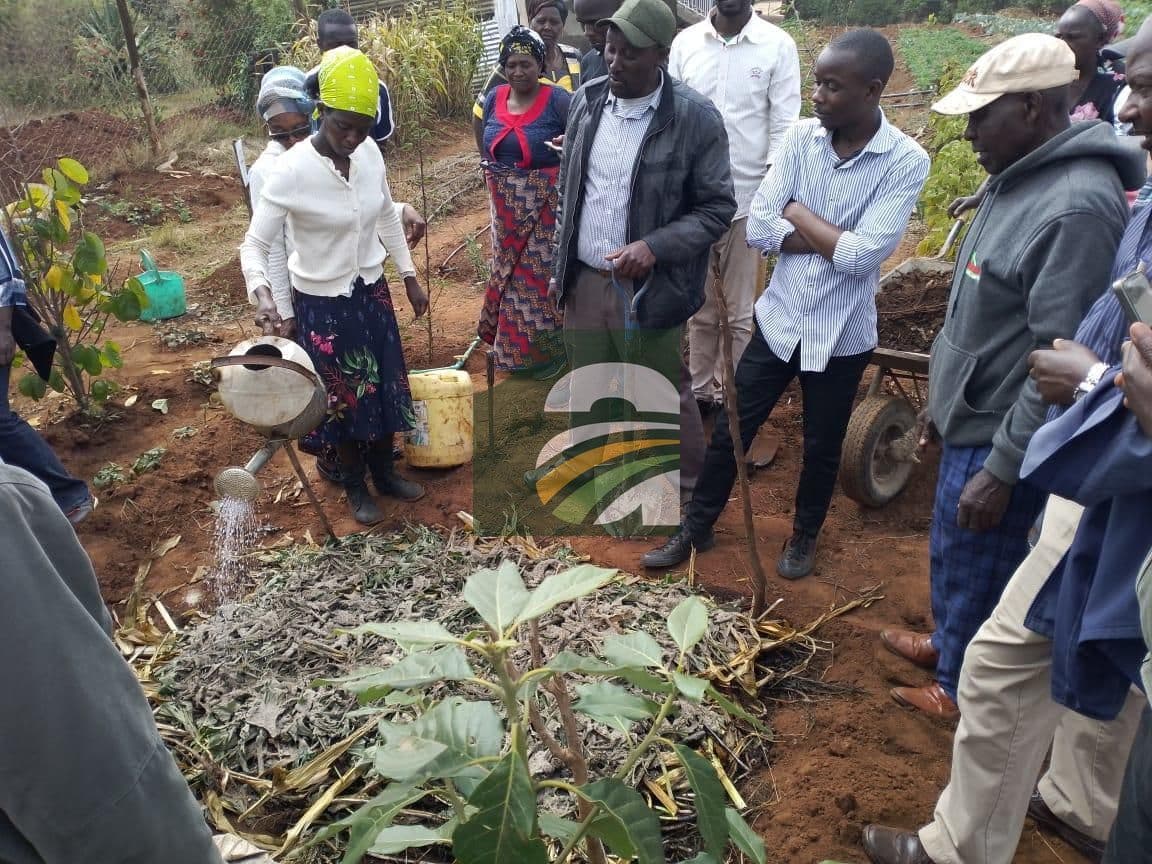
The report describes agroecology as an approach that combines scientific research, farmers' experience and traditional knowledge to improve food production while protecting natural ecosystems.
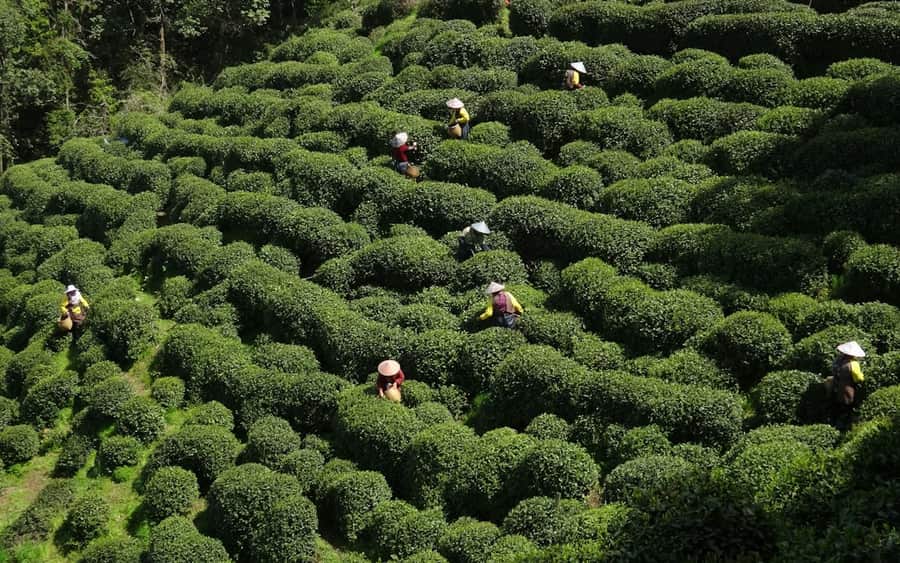
It highlights evidence from several countries showing the potential benefits of practices such as crop rotation, diversification and improved soil management.
In Ghana, rotating legumes with cereals was associated with an average 41 per cent increase in cereal yields. In Tanzania, pigeon pea and sorghum yields nearly tripled, while maize yields in some demonstration plots in Zambia were up to twice as high.
The report also cites research in Kenya that found farmers recorded an average 37.8 per cent increase in profits following the transition to agroecological practices.
ActionAid argues that the approach could help farmers manage rising input costs by reducing reliance on external agricultural supplies while diversifying production and income sources.
However, the organization says public agricultural financing remains heavily directed towards conventional input-based farming.
In Zambia, subsidies for mainly imported synthetic fertilizers and hybrid seeds accounted for 80 per cent of the agricultural budget in 2023–24, while the figure stood at 50 per cent in Zimbabwe, according to the report.
The report also identifies unequal access to land, finance, technology and markets as barriers limiting farmers' ability to adopt and expand agroecological practices.
The research was conducted in late 2025 and early 2026, drawing on academic literature, government and NGO reports, agricultural databases, field research and consultations with farmers' organizations and other stakeholders.
ActionAid is urging governments and development partners to redirect more public resources towards farming systems that support local knowledge, environmental restoration and resilient food production.
Kamadi
More stories by Kamadi