

Solar-Powered Irrigation Emerges as an Option for Kenyan Smallholder Farmers Facing Climate Stress
Solar-powered irrigation could help Kenyan smallholder farmers manage unpredictable rainfall and protect crop production, but researchers say affordable financing and reliable water access will be key to wider adoption.
9 November 2026 · 2 min read
Solar-Powered Irrigation Emerges as an Option for Kenyan Smallholder Farmers Facing Climate Stress
Solar-powered irrigation is gaining attention as a potential solution for smallholder farmers in Kenya who depend on increasingly unpredictable rainfall to sustain agricultural production.
A January 2026 policy brief by researchers from Duke University and the University of Nairobi examined the role of small-scale solar irrigation in helping farmers manage climate-related production challenges.
The research evaluated the model developed by SunCulture, a Kenyan social enterprise that provides solar-powered irrigation systems alongside financing and support services.

The study focused on how small-scale irrigation investments could help farming households manage variable rainfall and other economic and climate-related shocks.
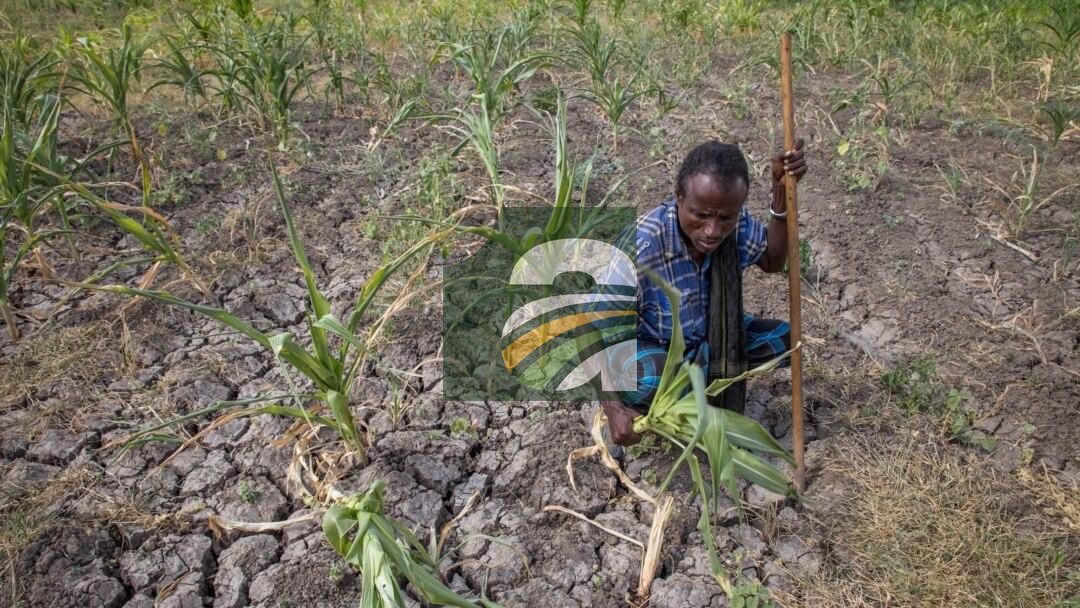
Most smallholder farmers in Kenya depend on rain-fed agriculture, leaving their production vulnerable to delayed rainfall, prolonged dry periods and changing weather patterns.
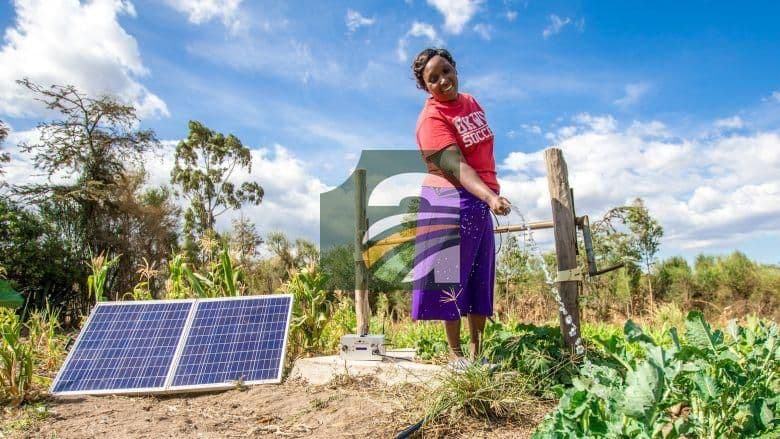
Solar-powered irrigation systems use energy from solar panels to operate water pumps, allowing farmers to draw water from available sources and irrigate their crops when rainfall is insufficient.
The technology offers an alternative to irrigation systems that depend on grid electricity or fuel-powered pumps, although its suitability depends on water availability, installation costs and the type of farming being undertaken.
The Duke University and University of Nairobi researchers argue that national irrigation policies should give greater attention to smallholder-led investment models rather than focusing mainly on large public irrigation schemes.
The study also identifies affordability as a major barrier to wider adoption, recommending repayment arrangements that reflect farmers' seasonal cash flows.
It further highlights the importance of combining irrigation equipment with financing and support services to reduce the risks farmers face when adopting new technology.
However, the researchers caution that the benefits of solar irrigation can vary between households, depending partly on household decision-making and how farming labour is organised.
The findings point to the potential role of renewable energy in strengthening agricultural resilience, while highlighting the need for financing models that make irrigation technology accessible to small-scale producers.
As climate variability continues to affect farming seasons, access to affordable irrigation could become an important part of efforts to improve food production and protect rural livelihoods.
Kamadi
More stories by Kamadi