

East African Farmers to Benefit from New Climate-Resilient Potato Varieties
Researchers are using wild potato relatives from South America to develop improved varieties that could help East African farmers withstand climate change, pests and diseases while strengthening food security.
9 November 2026 · 3 min read
East African Farmers to Benefit from New Climate-Resilient Potato Varieties
Farmers in Kenya and other East African countries could benefit from improved potato varieties as researchers turn to wild potato relatives from South America to develop crops capable of withstanding climate change and disease.
The International Potato Center (CIP), in partnership with the Crop Trust, has launched a new phase of the Biodiversity for Opportunities, Livelihoods and Development (BOLD) project, targeting the development of climate-resilient potato varieties in Kenya.
Announced on October 29, 2026, the initiative seeks to incorporate useful genetic traits from wild potato relatives originating in the Andes Mountains into cultivated varieties grown by farmers.
The research will focus on developing potatoes with improved resistance to late blight and potato cyst nematodes, as well as greater tolerance to rising temperatures and unpredictable rainfall.
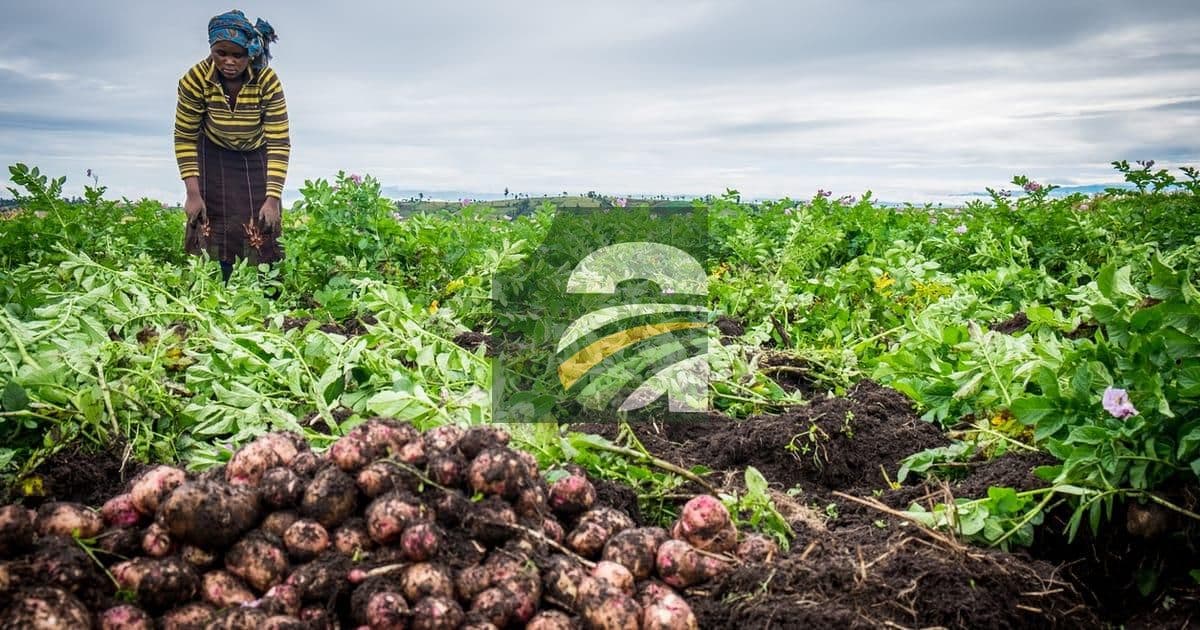
Potatoes are Kenya's second most important staple crop after maize, supporting approximately 3.3 million jobs and contributing an estimated US$324 million to the country's economy annually.
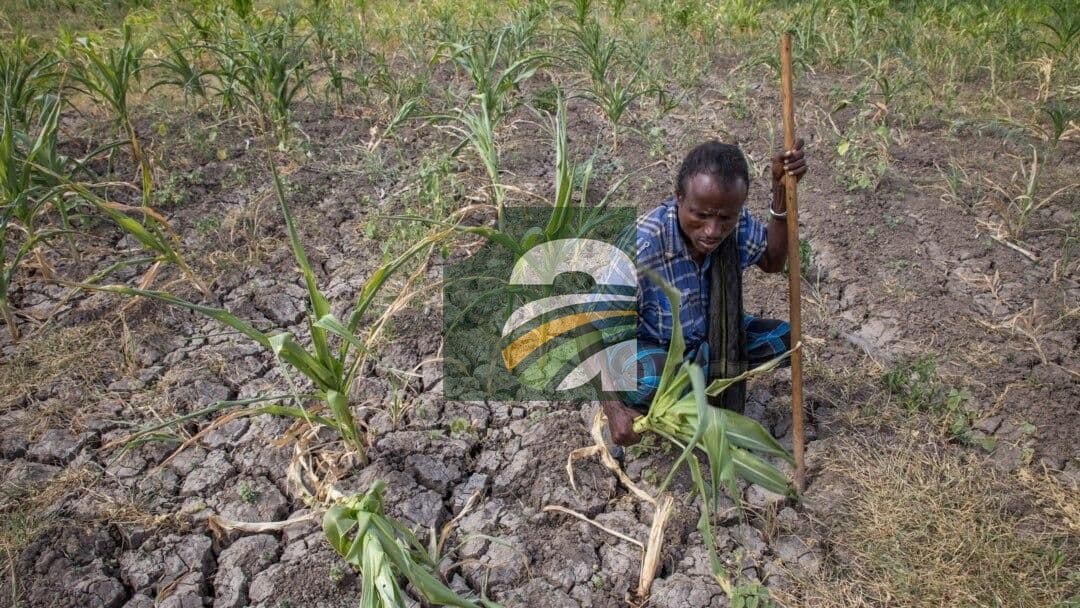
However, production continues to face challenges from changing weather patterns, pests and diseases that threaten farmers' yields and incomes.
Late blight, one of the most destructive potato diseases, accounts for approximately one-third of global potato yield losses, while potato cyst nematodes can reduce yields by up to 80 per cent.
According to the project partners, 54 promising potato breeding materials containing traits from wild relatives will advance through a structured research and testing programme.
Researchers will use genomic tools, multi-location trials and farmer participation to identify varieties that can perform under different growing conditions while meeting consumer and market preferences.
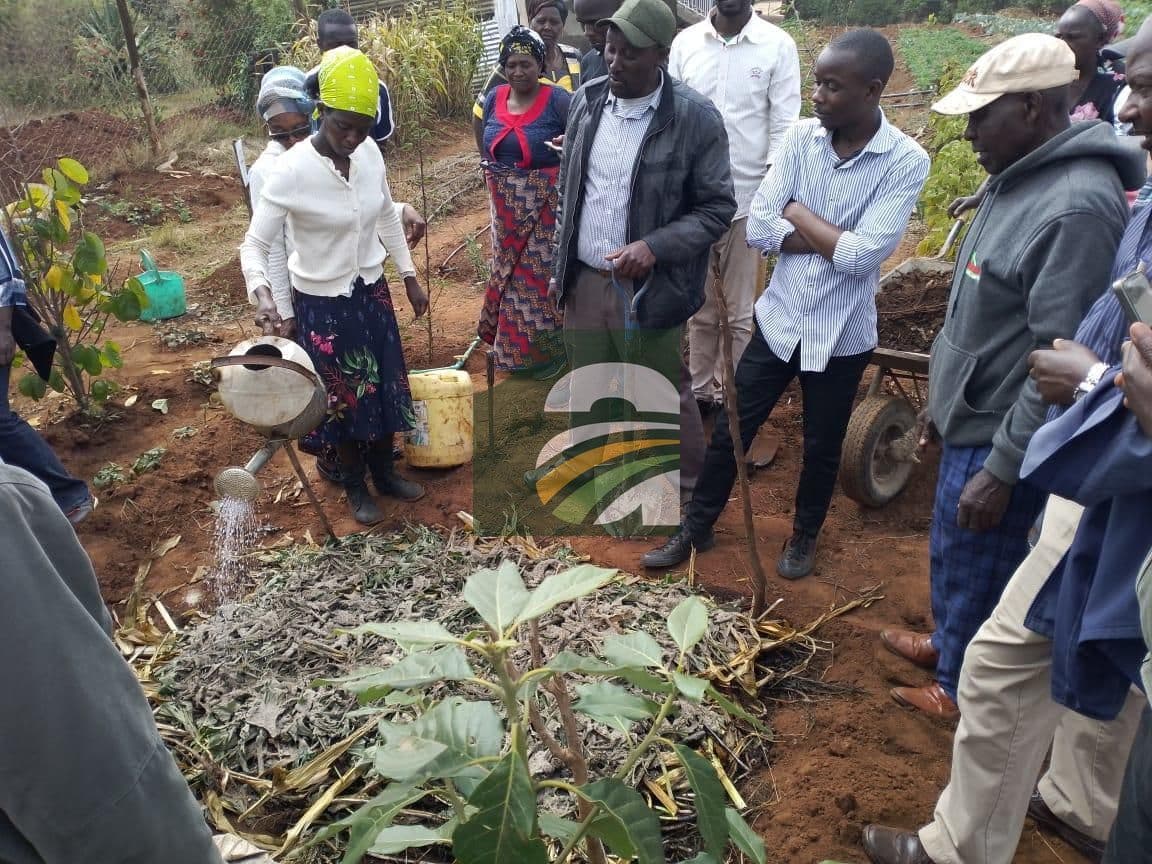
The project expects to involve between 500 and 1,000 farmers in trials and demonstrations, with more than half of the participants being women.
At least one improved potato variety is targeted for release in Kenya, while the East African Potato Breeding Network will facilitate access to promising breeding materials for testing in Ethiopia, Rwanda, Uganda, Tanzania and other African countries.
Beyond developing improved varieties, the initiative will also strengthen seed production and distribution systems to ensure farmers can eventually access quality planting materials.
The Kenya Agricultural and Livestock Research Organization (KALRO) will support breeding and variety development, while the Agricultural Development Corporation's Seed Potato Complex in Molo, Nakuru County, will serve as a hub for early-generation seed production.
The hub is expected to connect with seed multipliers and youth-led enterprises to improve the availability and distribution of quality potato seeds.
Dr Benjamin Kilian, BOLD project coordinator at the Crop Trust, said wild potato relatives contain genetic resources that could help agriculture respond to changing environmental conditions.
Dr Thiago Mendes, the project's principal investigator at CIP, said identifying useful genetic traits was only the beginning, adding that researchers needed to move them through breeding, farmer testing and seed production before they could benefit growers.
The latest phase builds on earlier collaboration between the Crop Trust and CIP in Peru, which contributed to the development of two late-blight-resistant varieties, CIP-Matilde and CIP-Asiryq.
The project forms part of broader efforts to use agricultural biodiversity and scientific research to strengthen food security and improve the resilience of farming systems against climate-related challenges.
Researchers say the success of the initiative will ultimately depend on whether improved varieties can move beyond research trials and become accessible to farmers and markets across the region.
Kamadi
More stories by Kamadi