
El Niño Raises Concerns Over Food Production Across Africa as Drought and Flood Risks Grow
A strong El Niño event could disrupt farming seasons across parts of Africa, with drought, erratic rainfall and flooding threatening crop production, livestock and food supplies, according to FEWS NET.
9 November 2026 · 3 min read
El Niño Raises Concerns Over Food Production Across Africa as Drought and Flood Risks Grow
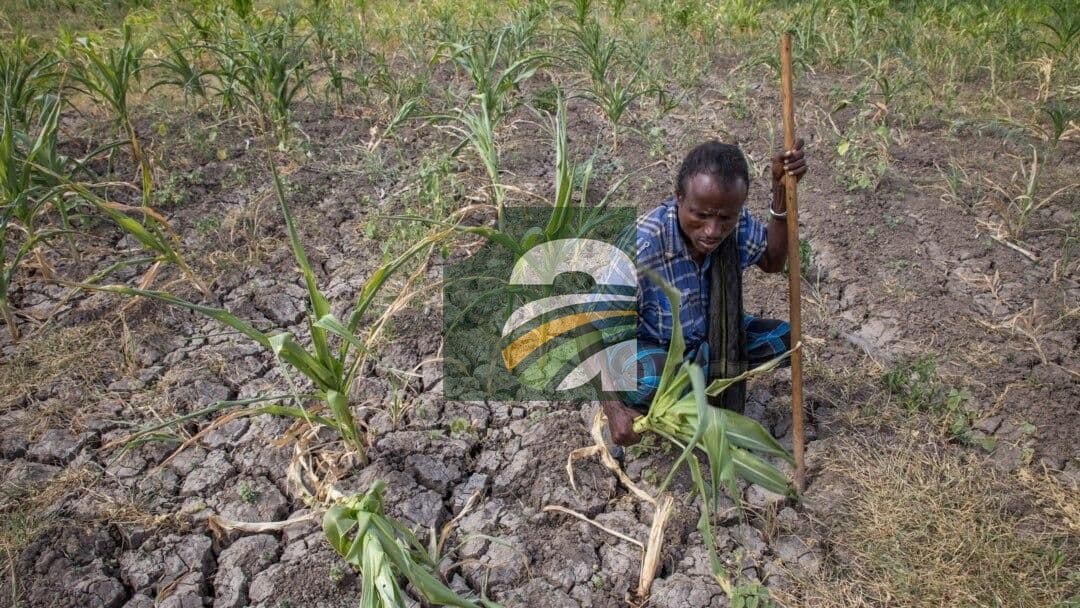
Agricultural production across several African regions faces growing risks from drought, erratic rainfall and flooding as a very strong El Niño weather event threatens farming seasons in parts of the continent.
A special report published by the Famine Early Warning Systems Network (FEWS NET) on October 6, 2026, warns that the 2026/2027 El Niño could disrupt crop production, livestock productivity and food supplies in several countries.
The report identifies Southern Africa and unimodal areas of East Africa as regions of high concern, with below-average rainfall expected to affect agricultural activities and rural livelihoods.
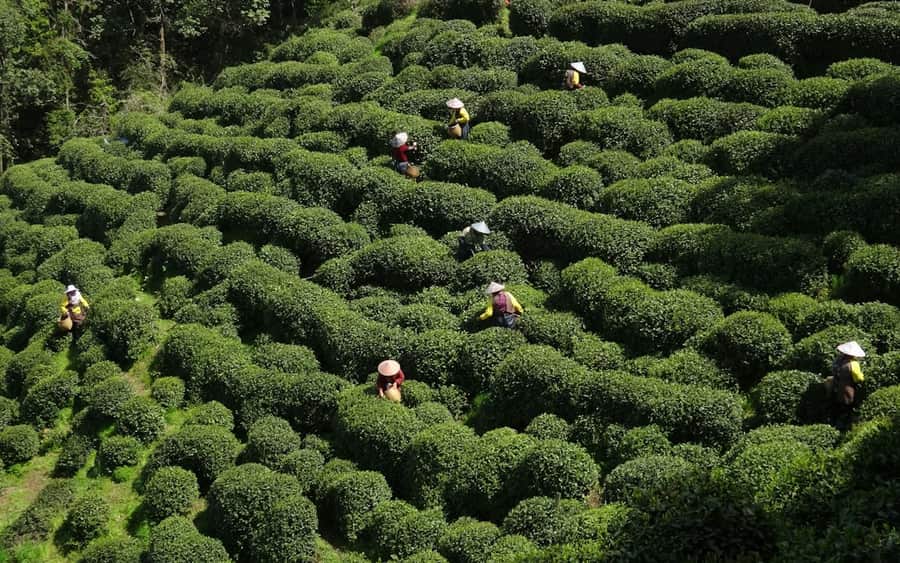
In Southern Africa, countries including Zimbabwe, Mozambique, Malawi, Zambia, Angola, Madagascar and Lesotho are forecast to experience a late onset of rains, prolonged dry spells and above-average temperatures during the October 2026 to March 2027 rainy season.
The anticipated conditions could affect planting and crop establishment while reducing water availability for livestock and household use.
FEWS NET notes that the region's agricultural outlook is particularly important because maize is a major staple food across much of Southern Africa. A poor harvest could tighten regional supplies and place additional pressure on food prices as existing stocks decline.
Parts of East Africa are also facing rainfall challenges. Ethiopia, South Sudan, Sudan and Uganda's Karamoja region recorded below-average rainfall during the June to September 2026 season, with prolonged dry spells and delayed rainfall onset affecting agricultural conditions.
In South Sudan and parts of Uganda, the rainfall deficits have contributed to reduced crop production and livestock productivity.
However, the outlook is not uniform across the Horn of Africa. In parts of Kenya, Somalia and southeastern Ethiopia, El Niño conditions combined with a positive Indian Ocean Dipole are forecast to bring above-average rainfall during the October to December 2026 season.
While increased rainfall could improve crop production and pasture conditions in some areas, heavy downpours also raise the risk of flooding, crop losses and livestock displacement, particularly in low-lying communities.
West Africa is also experiencing uneven rainfall conditions. FEWS NET reported that some areas of the Sahel recorded rainfall levels more than 40 per cent below average during the June to September 2026 season.
The effects on agricultural production are expected to vary by country, with Chad, Niger, Mali and parts of Burkina Faso among the areas facing concerns over crop development and pasture conditions.
The report cautions that the most severe food-security consequences of El Niño may emerge months after the rainfall disruptions, particularly during subsequent lean seasons when household food stocks have declined.
It also highlights the importance of early intervention, including humanitarian assistance and measures to protect agricultural livelihoods, before production losses translate into worsening food insecurity.
Although El Niño is a natural climate phenomenon, its effects can compound existing challenges such as conflict, high input costs, displacement and limited household resources.
The regional outlook highlights the need for agricultural systems that can withstand changing rainfall patterns, including improved water management, climate-resilient crop varieties, timely weather information and stronger early-warning systems.
Kamadi
More stories by Kamadi