

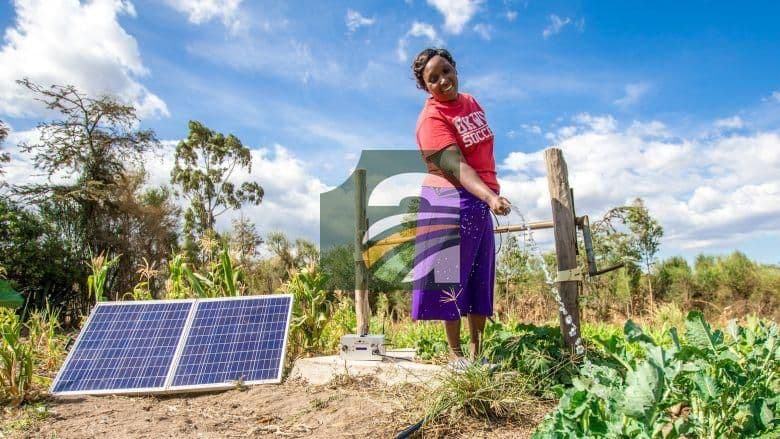
KALRO Moves to Expand Indigenous Vegetable Farming in Nairobi Through Urban Agriculture Project
KALRO is working with urban farmers in Nairobi to expand the production of indigenous vegetables such as managu, terere and sagaa through community gardens, farmer training and improved preservation technologies.
9 November 2026 · 2 min read
KALRO Moves to Expand Indigenous Vegetable Farming in Nairobi Through Urban Agriculture Project
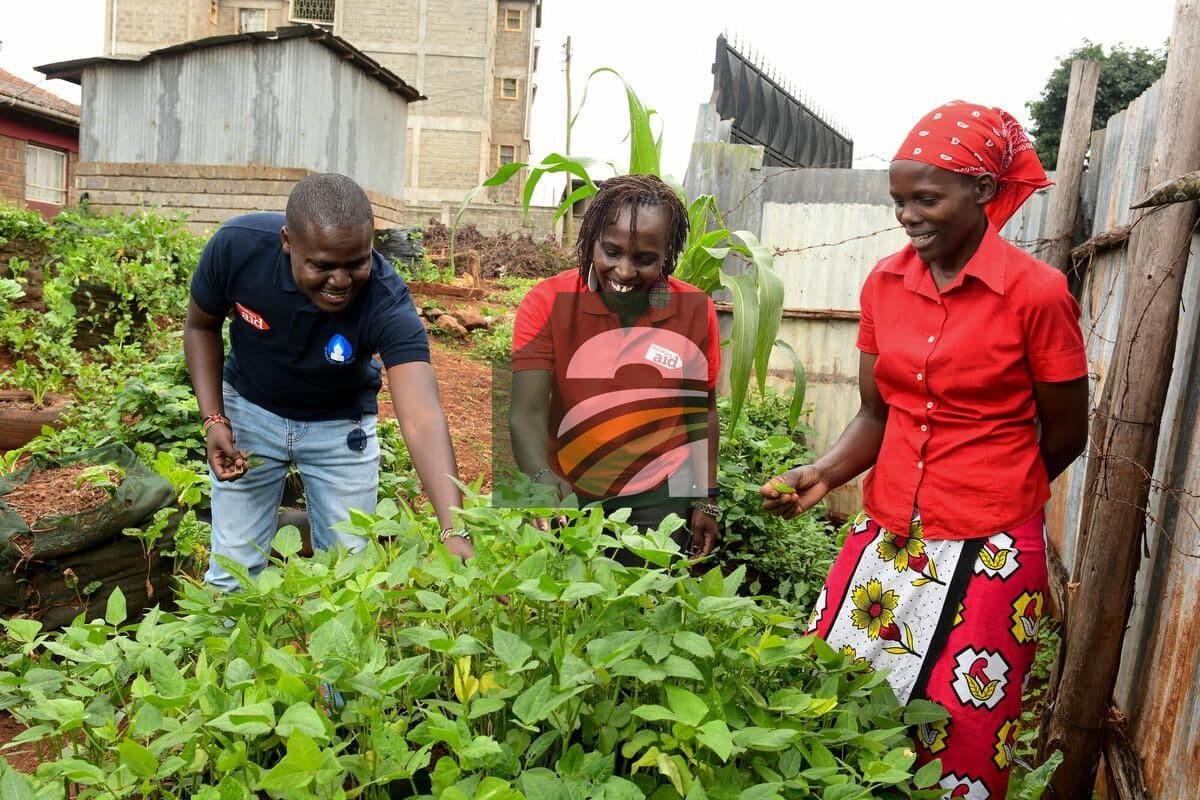
The Kenya Agricultural and Livestock Research Organization (KALRO) has launched an initiative to expand the production of African indigenous vegetables among urban farmers in Nairobi and surrounding areas.
The project, known as Establishment and Scaling-Out of Nutrition-Sensitive African Indigenous Vegetable Urban Farming Technologies, Innovations and Management Practices, is funded through the National Agricultural Value Chain Development Project.
It aims to establish and expand community gardens, train urban farmers in vegetable production and introduce technologies that can reduce post-harvest losses.
The initiative also seeks to improve access to nutritious vegetables while creating additional income opportunities for households involved in urban farming.
Speaking during a project inception and sensitisation meeting at KALRO's Kabete Food Crops Research Centre, Centre Director Dr Caroline Kundu said the programme would bring together agricultural research, public health expertise, private-sector solutions and farmers.
Among the vegetables targeted are managu, terere and sagaa, which are commonly consumed in Kenyan households.
KALRO will provide agricultural research expertise and improved indigenous vegetable varieties, while health and nutrition officers will guide farmers on food safety practices.
The training will cover soil quality, water use, harvesting, handling, processing and value addition to ensure vegetables grown in urban settings are safe for consumption.
The project will also promote solar drying as a method of preserving surplus vegetables.
Solar drying allows farmers to preserve produce when supply exceeds immediate market demand, potentially reducing losses and extending the period during which vegetables can be stored.
The involvement of private-sector partners is also expected to support the adoption of urban farming technologies suited to households with limited land.
The initiative responds to challenges facing urban food production, including limited farming space and the need for safe handling and preservation of fresh produce.
However, its impact on farmers' earnings, post-harvest losses and household nutrition will need to be assessed as implementation progresses.
The project reflects growing efforts to integrate agriculture into urban food systems and improve access to nutritious food within rapidly expanding cities.
Kamadi
More stories by Kamadi