

Digital Platforms Turn Climate Forecasts into Farming Advice for East African Farmers
New regional initiatives are combining climate forecasts, digital platforms and artificial intelligence to help East African farmers access timely, locally relevant advice for agricultural decision-making.
9 November 2026 · 2 min read
Digital Platforms Turn Climate Forecasts into Farming Advice for East African Farmers
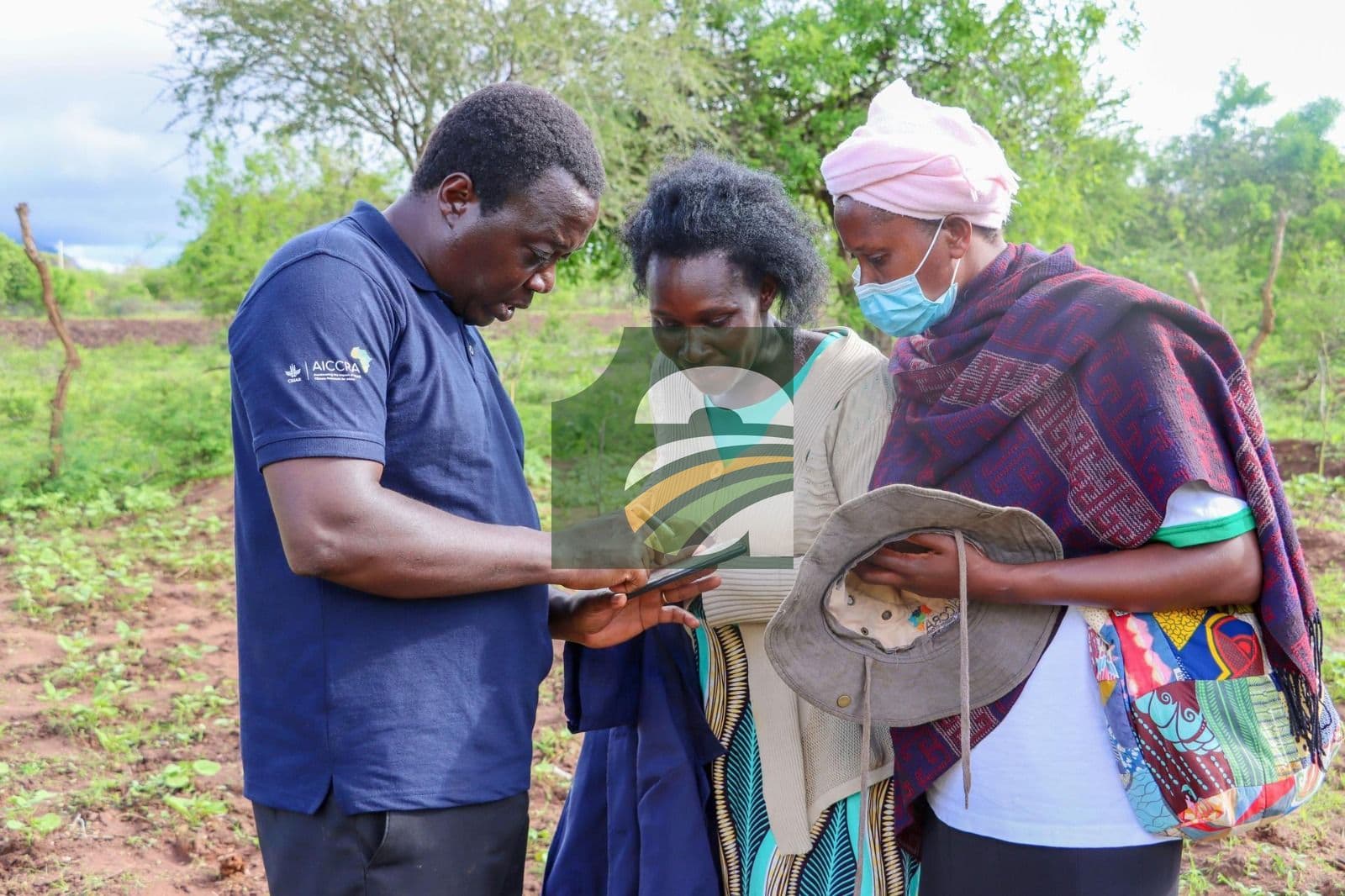
Agricultural research organizations are working with governments and national partners across East Africa to improve how farmers access and use climate information when making farming decisions.
The initiative is part of the Enhancing Climate Change Resilience in East Africa (ECREA) project, implemented by the Alliance of Bioversity International and CIAT in collaboration with partners in Kenya, Uganda, Tanzania and Rwanda.
The project seeks to address a gap between the climate forecasts produced by national meteorological agencies and the practical information farmers need to make decisions about planting, crop management and other agricultural activities.
According to the Alliance, farmers and agricultural extension officers have often struggled to translate seasonal forecasts into practical guidance, despite the availability of climate information from national forecasting institutions.
The project works with meteorological agencies, agricultural research organizations and government extension systems to convert climate information into locally relevant agricultural advisories.
The approach is intended to help farmers understand how changing rainfall patterns and other weather conditions could affect their farming activities.
In a separate development, the International Food Policy Research Institute (IFPRI) and the African Forum for Agricultural Advisory Services (AFAAS) launched a partnership in June 2026 to explore the use of generative artificial intelligence in agricultural extension services.
The collaboration involves national AFAAS chapters in Kenya, Liberia, Nigeria and Uganda.
Through IFPRI's Generative AI for Agriculture initiative, the partners are conducting design workshops to identify potential applications of AI that could help farmers and extension officers access timely and locally relevant agricultural information.
The initiative is also bringing together researchers, policymakers and agricultural extension professionals to examine how AI tools could complement existing advisory systems.
The organizations say the technology should strengthen rather than replace the role of human agricultural experts.
Issues such as language accessibility, trust, usability and the accuracy of information are among the considerations being addressed as the tools are developed.
Digital agricultural services could help address gaps in extension services, particularly in areas where farmers have limited access to agricultural officers.
However, their effectiveness will depend on reliable information, internet or mobile connectivity, digital literacy and the ability to provide advice that reflects local farming conditions.
The initiatives reflect growing efforts to use digital technology to improve agricultural decision-making and help farmers respond to climate-related risks.
Kamadi
More stories by Kamadi