

Solar Technology Offers New Possibilities for Fish Processing Around Lake Victoria
New regional initiatives are combining climate forecasts, digital platforms and artificial intelligence to help East African farmers access timely, locally relevant advice for agricultural decision-making.
9 November 2026 · 2 min read
Solar Technology Offers New Possibilities for Fish Processing Around Lake Victoria
Solar-powered dryers and freezers are being introduced to fishing communities around Lake Victoria as part of efforts to improve fish preservation, reduce post-harvest losses and strengthen local fisheries businesses.
The initiative involves the Stockholm Environment Institute (SEI) Africa and World-Fish, working with the county governments of Homa Bay and Migori to promote climate-smart fisheries in Kenya's Lake Victoria region.
The project is responding to challenges affecting fish preservation and storage, including rising temperatures, heavy rainfall and inadequate post-harvest infrastructure.

Fish is highly perishable, making access to proper storage and processing facilities important for maintaining quality and reducing losses after harvesting.
Through the collaboration, World-Fish has introduced solar tent dryers, fish-smoking kilns and solar-powered freezers as demonstration technologies for fishing communities.
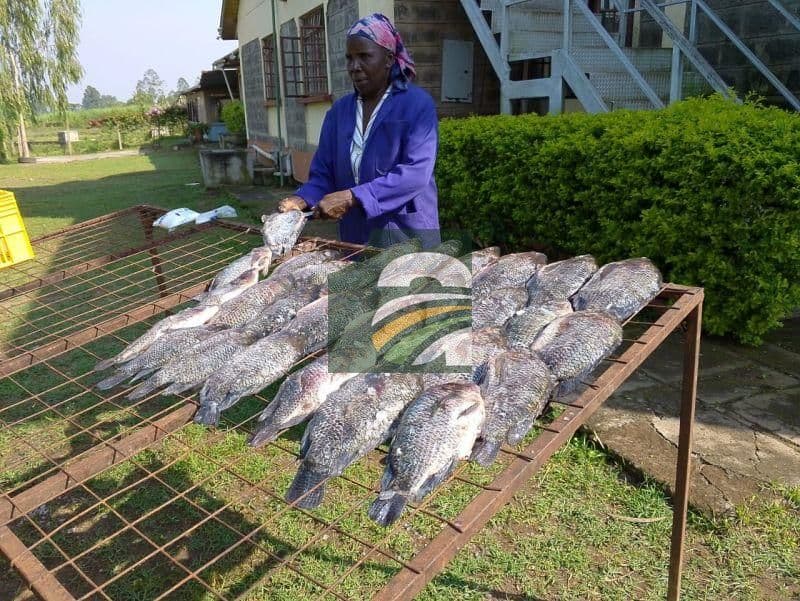
Solar tent dryers provide an alternative to traditional open-air drying, where fish may be exposed to dust, insects, animals and unpredictable weather.
The technology uses solar energy to dry fish in a more controlled environment, helping processors improve product handling and quality.
Solar-powered freezers also offer an option for fish traders and processors operating in areas with limited access to reliable electricity.
World-Fish has separately documented the use of solar cabinet dryers for processing small fish such as dagaa, which is commonly dried in coastal and inland fishing communities.
The organization notes that traditional drying methods can expose fish to contamination and sudden rainfall, resulting in inconsistent quality and post-harvest losses.
The Lake Victoria initiative also involves research into waste management and the development of policies that can support climate-smart fisheries.
SEI Africa says the collaboration is working with researchers and fisheries officials to examine climate-related challenges and identify solutions across the fisheries value chain.
The technologies could support improved fish preservation and create opportunities for processors to add value to their products before taking them to market.
However, wider adoption will depend on the cost of equipment, maintenance, access to financing and the ability of fishing communities to operate and maintain the systems.
The initiative highlights the growing role of renewable energy in fisheries, particularly in communities seeking alternatives to conventional power sources for food processing and storage.
Kamadi
More stories by Kamadi