
CGIAR Selects Eight Agricultural Innovations for Expansion Across 10 Countries
Eight agricultural innovations have been selected by CGIAR for expansion across 10 countries, bringing new opportunities in climate-smart farming, digital agriculture, irrigation and food processing.
9 November 2026 · 3 min read
CGIAR Selects Eight Agricultural Innovations for Expansion Across 10 Countries
The CGIAR Scaling Fund has selected eight agricultural innovations for support in 10 countries, targeting improvements in farming advice, irrigation, livestock services, fisheries, rice processing and land restoration.
The projects span seven CGIAR research centers. They will receive grants and technical support aimed at helping promising agricultural solutions move beyond pilot projects and reach more farmers and communities
Among the selected innovations is My Farm Trees, a digital platform developed by the Alliance of Bioversity International and CIAT. The platform has supported 9,000 farmers in planting 440,000 trees across 4,500 hectares of restored land.
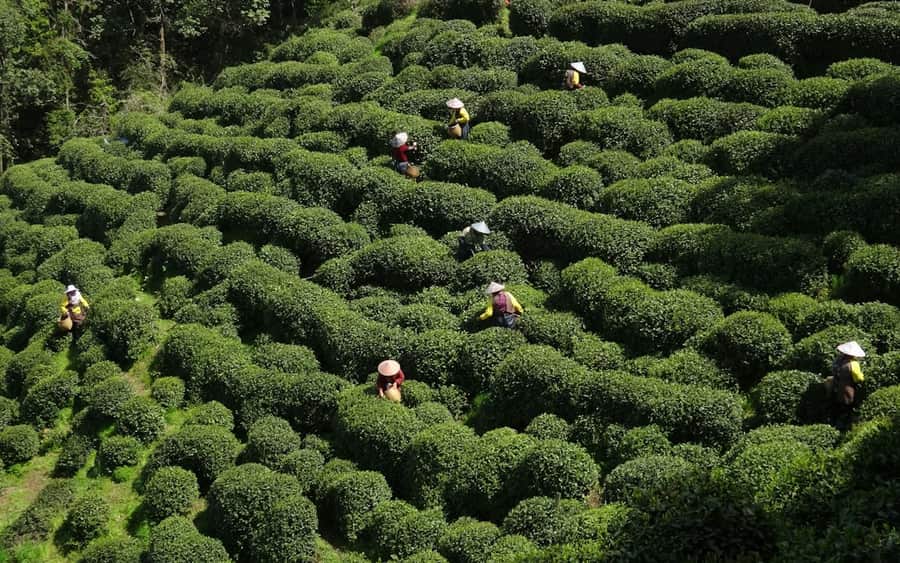
It connects farmers with seed systems and nurseries while providing tools to monitor restoration activities. Kenya’s Ministry of Environment and Forestry is integrating the platform into national verification systems, while the World Bank is investing in its digital infrastructure.
Other selected projects focus on improving access to agricultural information. In Tanzania and Nigeria, the AKILIMO platform is integrating rice farming advice into an existing cassava advisory system.
The initiative, led by the International Institute of Tropical Agriculture in partnership with the International Rice Research Institute and AfricaRice, is intended to provide farmers with tailored recommendations on planting, fertilizer use and other production decisions.
In Rwanda, the Smart Nkunganire System Fertilizer Recommendation Tool is being developed through a system that serves 3.2 million registered farmers and more than 3,000 agro-dealers involved in ordering subsidised agricultural inputs.
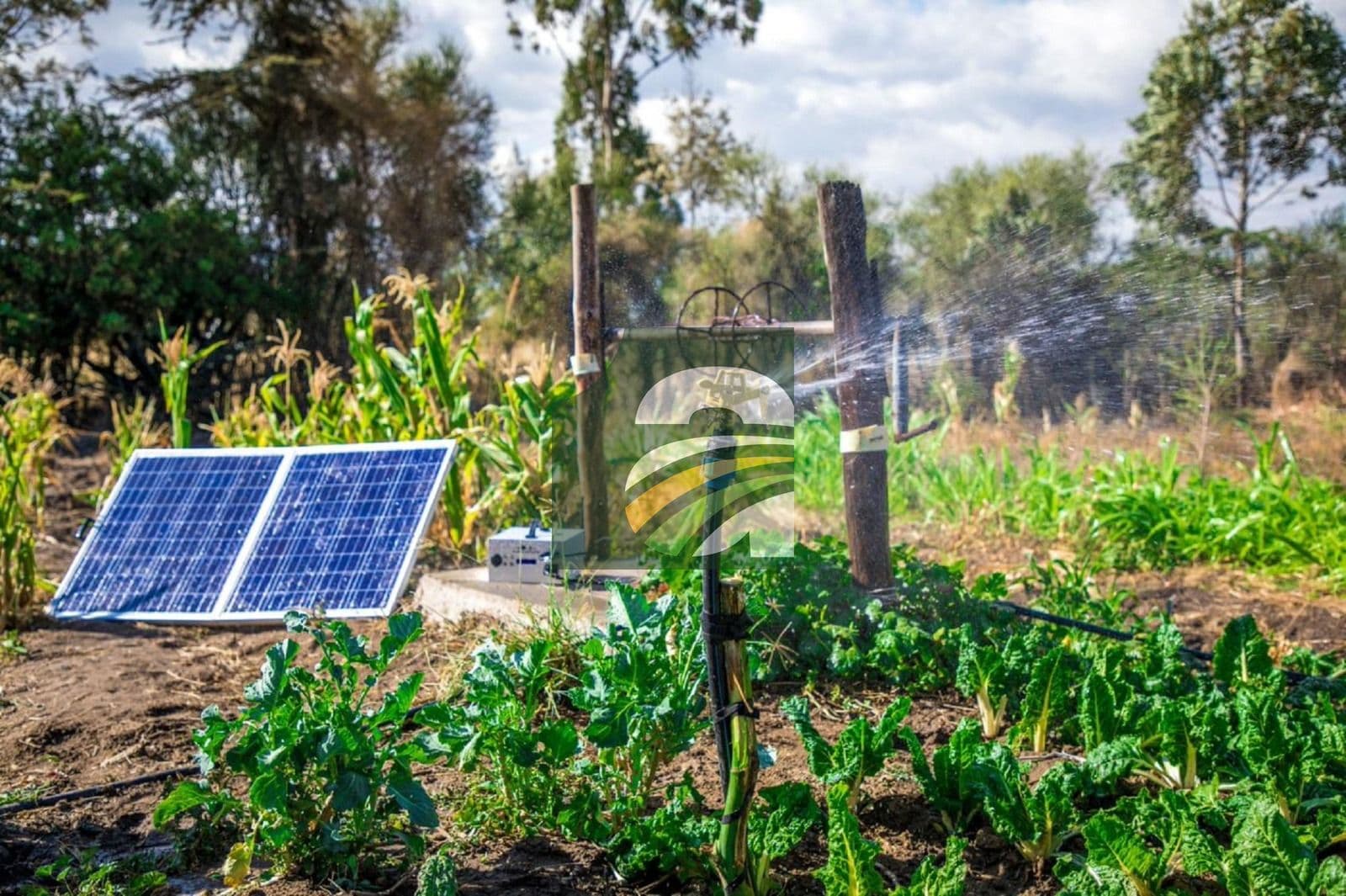
The fund has also selected a solar-based irrigation model developed in Ghana, which uses a pay-as-you-go approach to address the high upfront cost of irrigation equipment.
The model is expected to support wider access to irrigation, although its expansion will depend on investment, suitable policies and financing arrangements that make the technology accessible to farmers.
In the fisheries sector, WorldFish’s Climate-Smart Fish Processing initiative is promoting solar tent dryers, solar-powered and hybrid freezers, as well as improved smoking kilns among fish processors around Lake Victoria.
The project is working with Homa Bay and Migori county governments, with early evidence pointing to improvements in fish quality and shelf life, reduced dependence on firewood and additional income opportunities for processors.
Other innovations include Nepal’s Village Livestock Promoters programme, which provides livestock advice and services through farmer organizations, and One Health Units operating in Ethiopia, Kenya and Somalia.
The One Health approach brings together human health, livestock and rangeland services. By October 2025, 25 units were operational across the three countries, with plans to expand the model to reach more pastoral communities.
The eighth innovation, developed by the Africa Rice Center, is the GEM Parboiling System, which seeks to improve rice quality, milling recovery, nutrient retention and market value while reducing processing losses. Its rice husk-fueled configuration also uses rice by-products as a source of energy.
According to CGIAR, the Scaling Fund is designed to address a common challenge in agricultural research: innovations that demonstrate potential in trials often struggle to reach wider communities because of limited financing, delivery partnerships and institutional support.
The fund combines financial support with technical guidance and partnerships to help project teams develop sustainable pathways for wider adoption.
The 2026 selections cover different parts of the agricultural value chain, reflecting efforts to improve production, processing, access to information and environmental sustainability.
Kamadi
More stories by Kamadi