
Kenya Targets 1.5 Million Acres Under Irrigation in Push to Reduce Food Imports
Kenya plans to expand irrigated farmland to 1.5 million acres in an effort to boost domestic food production, reduce reliance on imports and strengthen national food security.
9 November 2026 · 2 min read
Kenya Targets 1.5 Million Acres Under Irrigation in Push to Reduce Food Imports
Kenya is targeting 1.5 million acres of land for irrigation as the government intensifies efforts to increase domestic food production and reduce dependence on imported agricultural commodities.
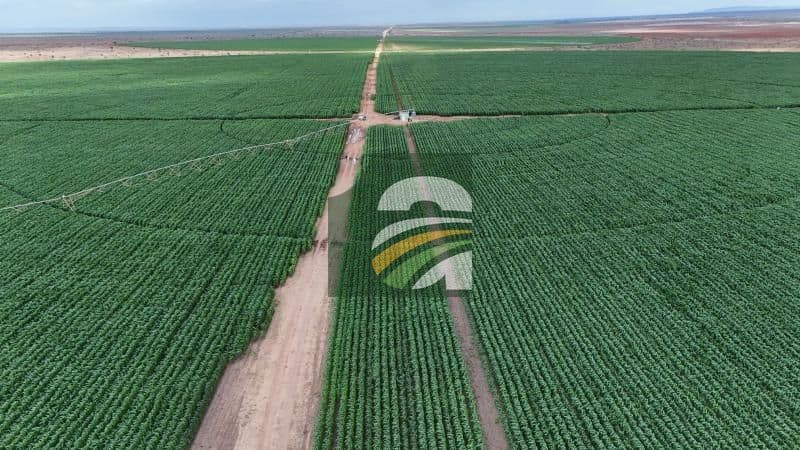
The announcement was made during a government development tour of the Galana-Kulalu Food Security Project in Kilifi County on November 4, 2026.
Chief of Staff and Head of Public Service Felix Koskei said the country spends approximately KSh560 billion annually importing food, including maize, wheat and edible oils.
He said expanding irrigation infrastructure would help Kenya utilize its agricultural potential, strengthen food security and reduce the amount of foreign exchange spent on food imports.
Principal Secretary for Irrigation Ephantus Kimotho said the government was pursuing an ambitious irrigation programme, with an initial phase targeting 500,000 acres.
At Galana-Kulalu, approximately KSh520 million has been invested in water infrastructure, initially enabling irrigation of 10,000 acres, according to government officials cited by The Star.
Private investors are currently cultivating about 6,000 acres under commercial maize, seed maize and soya beans, while the remaining 4,000 acres are expected to be brought under cultivation in the next production season.
The project also seeks to strengthen local production of agricultural commodities used in food processing and livestock feeds.
Soya beans, for example, can be processed into edible oil and soya cake, which is used as an ingredient in animal feeds.
The government says additional water infrastructure, including dams and conveyance systems, will be required to expand irrigation activities at Galana-Kulalu and other parts of the country.
The irrigation programme is intended to reduce reliance on rain-fed agriculture, which leaves farmers vulnerable to prolonged dry spells and unpredictable rainfall.
However, the success of the expansion will depend on sustained investment in water infrastructure, electricity, roads, agricultural inputs and access to markets.
The government's plans also raise questions about water management, environmental sustainability and the need to ensure that irrigation investments translate into affordable food and opportunities for local farming communities.
Kenya's ability to reduce its food import bill will ultimately depend on whether increased irrigation capacity results in consistent, commercially viable domestic production.
Kamadi
More stories by Kamadi