
Food Processing and Distribution Key to Reducing Poverty in Africa, New Research Finds
New IFPRI research finds that investing in food processing and distribution could help reduce poverty across Sub-Saharan Africa, highlighting the importance of strengthening the entire agricultural value chain.
9 November 2026 · 2 min read
Food Processing and Distribution Key to Reducing Poverty in Africa, New Research Finds
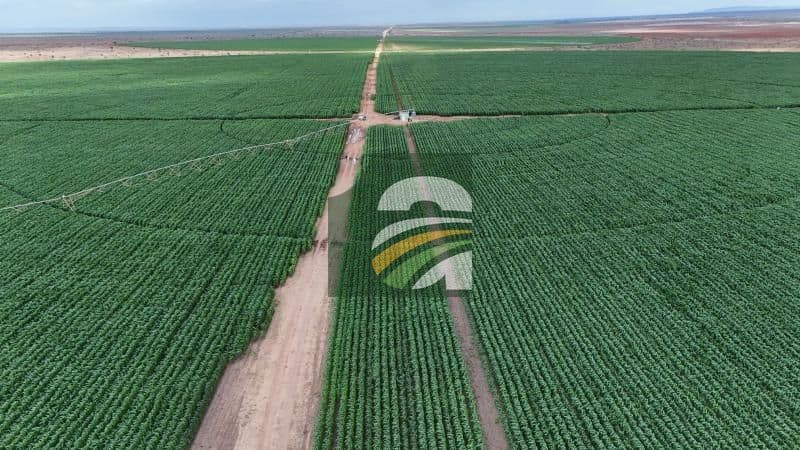
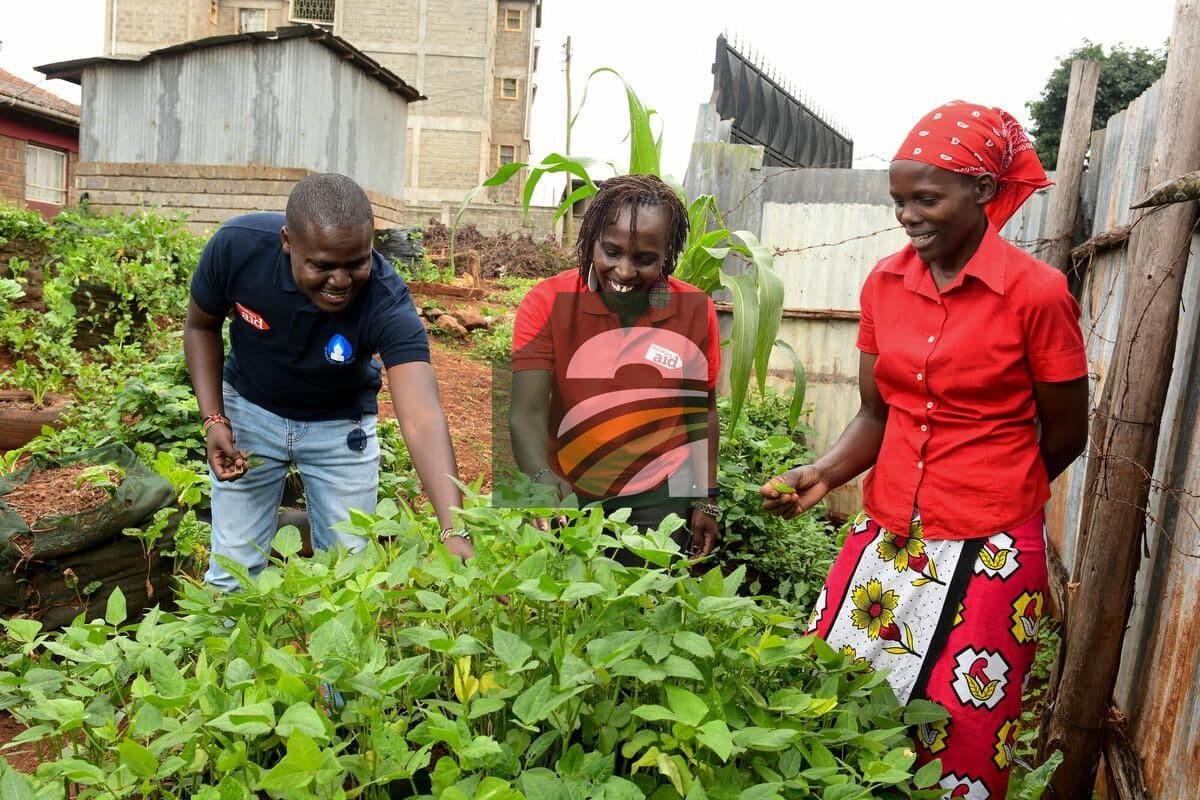
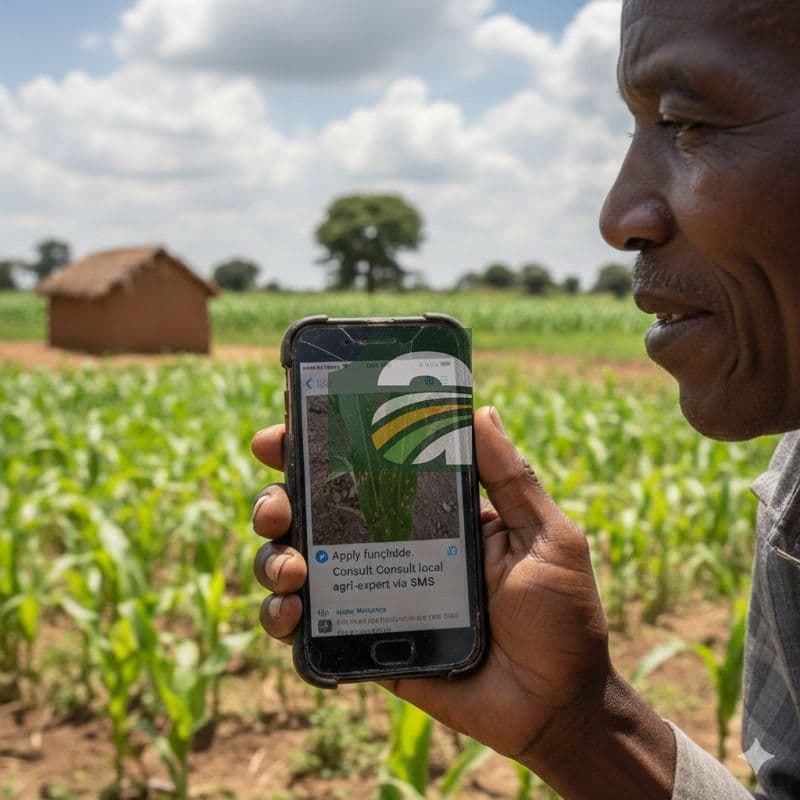
Investment in food processing and distribution could play a significant role in reducing poverty across Sub-Saharan Africa, even as agricultural productivity remains essential to improving food security.
A study published by the International Food Policy Research Institute (IFPRI) examined how investment across different parts of the agricultural value chain could influence economic growth, poverty levels and the affordability of healthy diets.
The research covered Ethiopia, Ghana, Malawi, Nigeria and Tanzania, assessing the effects of productivity improvements in farming, food processing and distribution.

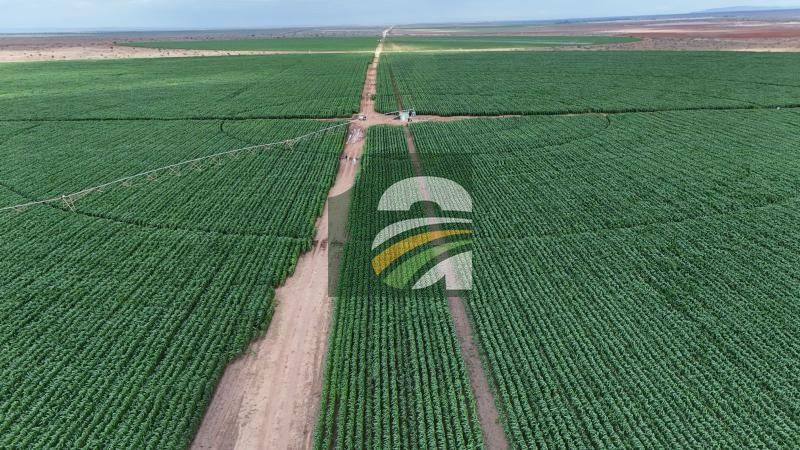
According to the findings, a 10 per cent increase in farm productivity was associated with an average 4.2 per cent rise in gross domestic product across the countries studied.
The same increase was linked to a 3.3 percentage-point reduction in poverty and a 6.5 per cent decline in the cost of a healthy diet.
However, the researchers found that improvements in food processing and distribution could be equally or more effective in reducing poverty relative to economic growth.
The findings highlight the importance of looking beyond primary agricultural production when designing investment strategies for African food systems.
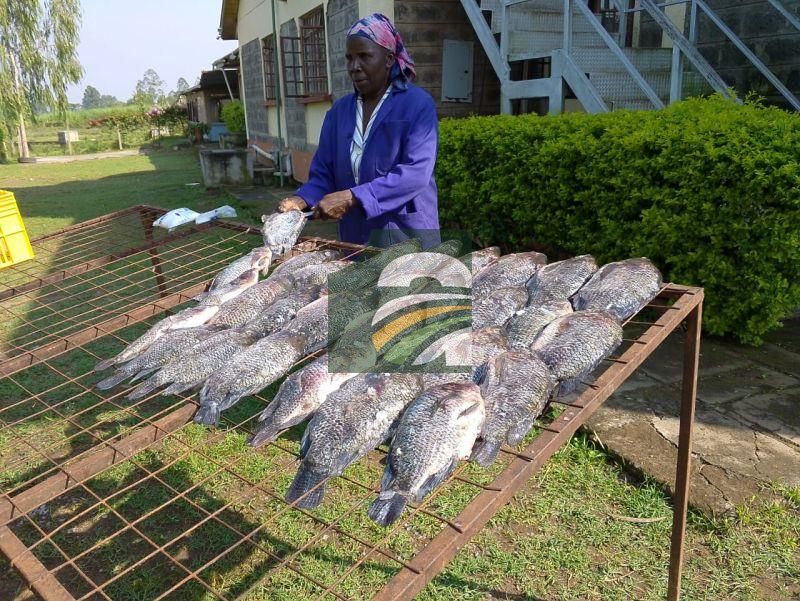
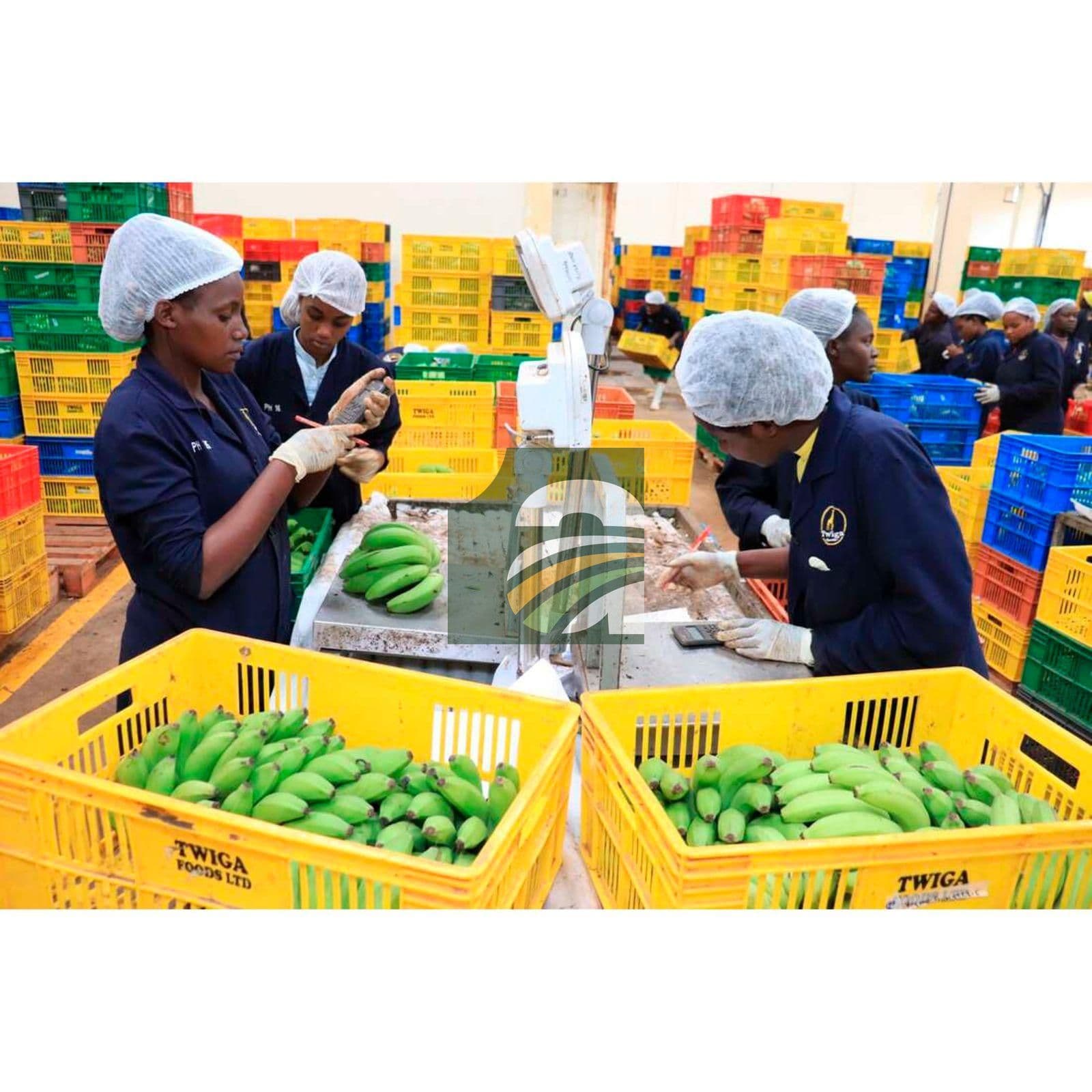
Food processing can create additional economic opportunities by turning raw agricultural commodities into products with greater market value, while improved distribution systems can help reduce inefficiencies between farms, markets and consumers.
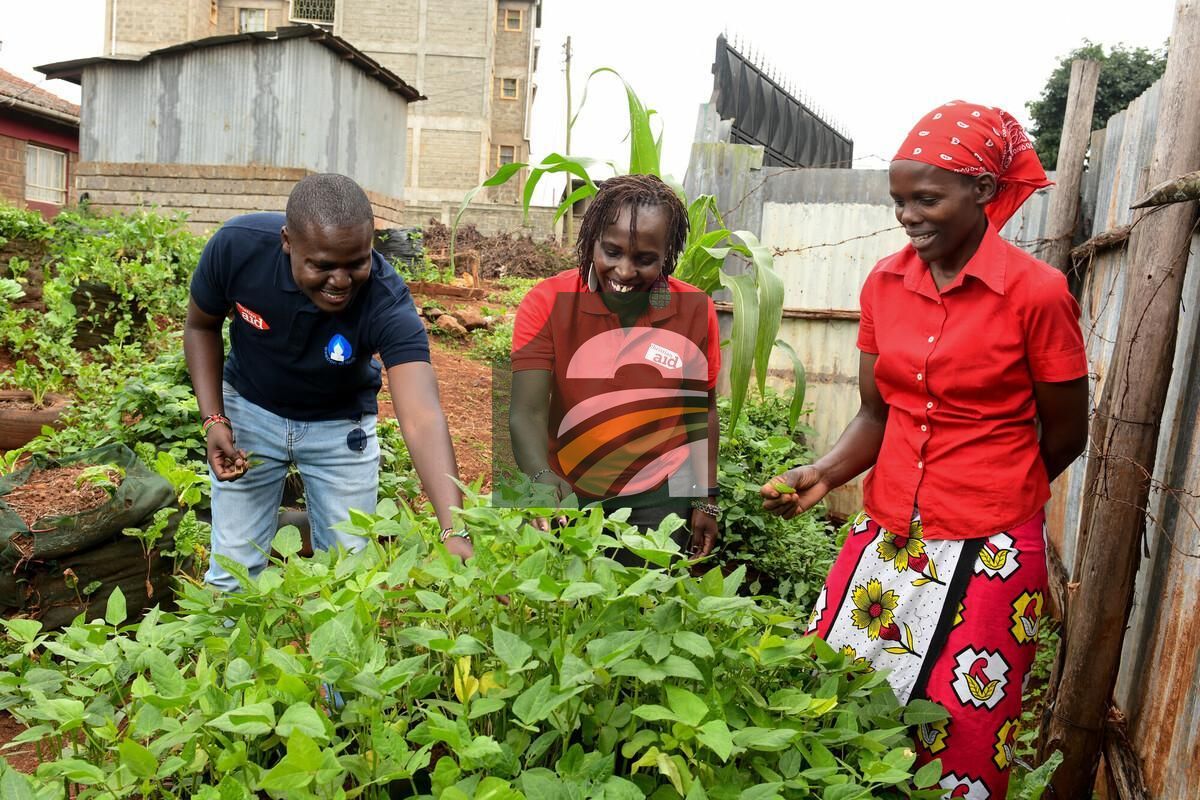
The study also identified horticulture as a sector with strong potential to improve development outcomes across several measures.
Staple crop productivity continued to deliver the largest absolute reductions in poverty, while horticulture recorded particularly strong development outcomes relative to economic growth.
The researchers said policymakers should consider the different roles played by agricultural production, processing and distribution when deciding where to direct public and private investment.
The findings suggest that strengthening food systems requires investment across the entire value chain, from farm productivity to the facilities and networks that move food to consumers.
For African countries seeking to reduce poverty and improve access to nutritious food, the study highlights the importance of combining agricultural development with investment in processing, markets and distribution infrastructure
Kamadi
More stories by Kamadi