

ECOWAS expands agricultural trade monitoring system to nine more countries
ECOWAS is extending its Agricultural Trade and Markets Scorecard to nine additional member states to monitor barriers affecting the movement of agricultural and livestock products across West Africa.
9 November 2026 · 1 min read
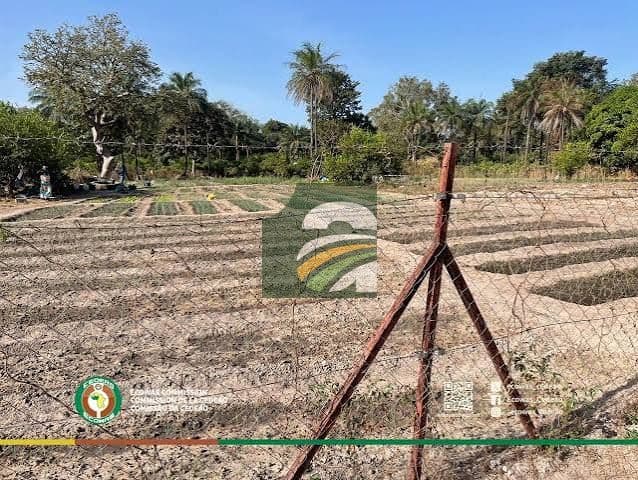
ECOWAS Expands Agricultural Trade Monitoring System to Nine More Countries
The Economic Community of West African States (ECOWAS) is expanding its Agricultural Trade and Markets Scorecard to nine additional member states in an effort to identify barriers affecting the movement of agricultural products across the region.
The initiative will be extended to Benin, Cape Verde, Côte d'Ivoire, The Gambia, Guinea, Guinea-Bissau, Liberia, Nigeria and Senegal.

Developed by the ECOWAS Commission, the scorecard monitors the implementation of regional protocols governing the movement of agricultural, forestry, livestock and fisheries products within the regional bloc.
It is also designed to identify obstacles to cross-border trade and provide information to guide decisions on agricultural market integration.
The system was initially piloted in Ghana, Niger, Sierra Leone, Togo and Chad.
According to the Regional Agency for Agriculture and Food (RAAF), the expansion follows a recommendation made during the 68th Ordinary Session of the ECOWAS Conference of Heads of State and Government in December 2025.
Awareness and consultation missions began in November 2026 to engage national institutions, explain the data collection process and establish teams responsible for implementing the mechanism.
The initiative is being implemented under the West African Food System Resilience Programme, which is funded by the World Bank and coordinated regionally by RAAF, with technical support from AKADEMIYA2063.
Agricultural trade across West Africa can be affected by border delays, inconsistent regulations and restrictions on the movement of goods. Monitoring these challenges could help governments identify where regional trade agreements are not being fully implemented.
However, the scorecard's impact will depend on the quality of data collected and whether governments act on the barriers identified.
Kamadi
More stories by Kamadi