



Macadamia Farmers Face Losses as More Than 30,000 Tonnes Remain Unsold
More than 30,000 metric tones of raw macadamia nuts reportedly remain unsold in Kenya after an export window closed in October, leaving farmers and traders calling for regulatory clarity and access to markets.
9 November 2026 · 2 min read
Macadamia Farmers Face Losses as More Than 30,000 Tones Remain Unsold
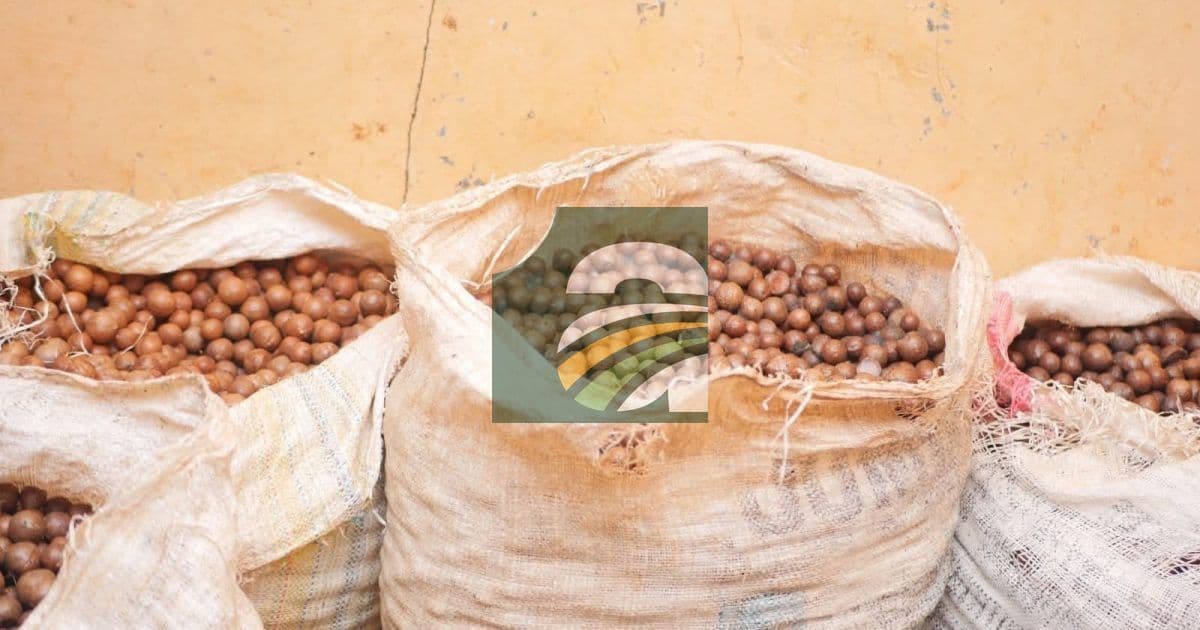
Kenyan macadamia farmers and traders are facing mounting losses after more than 30,000 metric tones of raw nuts reportedly remained unsold following the closure of a temporary export window in October.
The three-month window, authorized by the Agriculture and Food Authority (AFA), was intended to give traders an opportunity to access international markets and ease a glut that had affected farmers and processors.
However, only 700 metric tones out of an expected 14,000 metric tones were shipped before the window closed on October 10, according to figures cited in a Kenya News Agency report.
The authority subsequently blocked the shipment of the un-exported allocation, leaving farmers and dealers seeking an extension to complete outstanding export arrangements.
Kenya Macadamia Growers Association Vice Chairman Mureithi Gichabi said the industry needed more time to fulfil contracts, arguing that traders had incurred costs in preparing nuts for inspection and shipment.
He also raised concerns about what he described as inconsistent policies and regulatory uncertainty, saying these were affecting confidence in the sector.
Nut Traders Association of Kenya Vice Chairman Njiru Kathangu called for predictable export policies, including a regular framework for lifting restrictions on raw nut exports to China.
The dispute comes as stakeholders question whether local processors can absorb the country's macadamia harvest. Taita Taveta industry stakeholder Moses Karasha argued that processing factories could not handle the country's annual production, which he put at about 75,000 metric tones.
Farmers in several growing counties, including Murang'a, Nyeri, Embu, Meru, Kirinyaga, Uasin Gishu and Baringo, were reported to be affected by the market uncertainty.
Some stakeholders have proposed changes to the legal framework governing raw nut exports, while others have suggested a government-backed financing arrangement to support processors and improve payment to farmers.
The concerns raise questions about the balance between protecting domestic processing and ensuring farmers have reliable markets for their produce.
Kamadi
More stories by Kamadi