


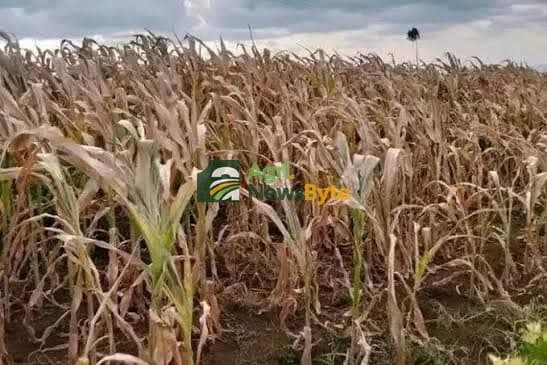

Rwanda's East Africa Exchange expands storage and quality systems to reduce crop losses
The East Africa Exchange is expanding its network of certified warehouses, silos and mechanical dryers while training farmers and cooperatives to improve grain handling and meet market quality standards.
23 November 2026 · 2 min read
Rwanda's East Africa Exchange expands storage and quality systems to reduce crop losses
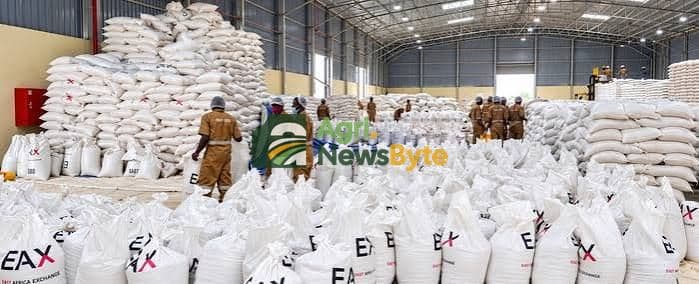
Rwanda's East Africa Exchange (EAX) is expanding its agricultural storage and quality-management systems as it seeks to reduce post-harvest losses and improve farmers' access to reliable commodity markets.
The Kigali-based commodities marketplace has invested in certified warehouses, silos and mechanical dryers while providing training to farmers and cooperatives on produce handling, storage and quality standards.
The initiative is intended to address challenges that have historically affected agricultural trading in the region, including fragmented markets, poor storage facilities and inconsistent grain quality.
EAX Chief Executive Clement Kayitakire said maize post-harvest losses reached as high as 30 per cent during the exchange's early years.
The exchange has since introduced measures to improve quality control, including testing produce for moisture content and aflatoxin contamination.
Its field officers also train farmers in drying, cleaning, grading and proper storage practices before commodities are delivered to exchange facilities.
Produce that does not meet the required standards can undergo corrective processes such as drying, cleaning, sorting and re-bagging, depending on its condition.
The exchange also monitors stored commodities for changes in moisture levels and pest infestation. Produce with food-safety concerns that cannot be corrected is isolated.
EAX says improvements in farmer knowledge and quality management have helped reduce the number of trucks rejected at its facilities because of poor-quality produce.
Post-harvest losses remain a major challenge for farmers across Africa, where inadequate storage and handling can reduce the quantity and quality of food reaching markets.
Improved storage infrastructure can help farmers preserve produce for longer, reduce avoidable losses and improve their ability to sell commodities that meet buyer requirements.
The effectiveness of such systems will depend on their accessibility to smaller producers, the cost of using storage facilities and the availability of buyers offering competitive prices.
Kamadi
More stories by Kamadi