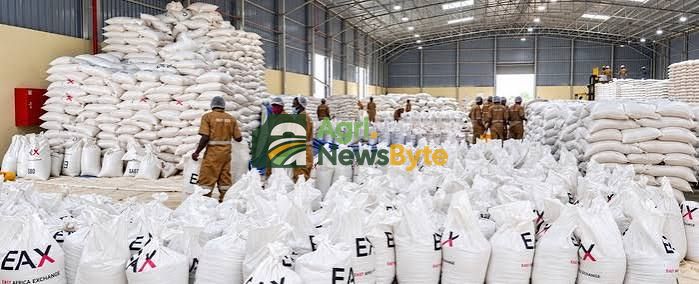


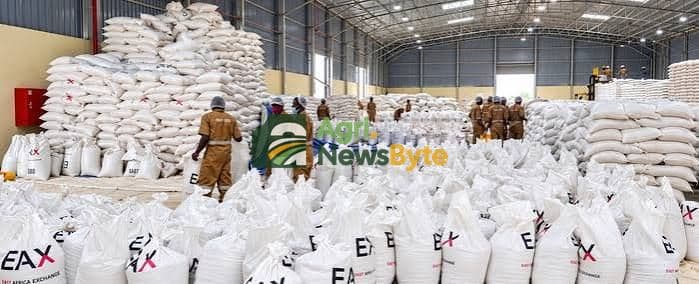

Kenya faces 1.98 million-ton maize import requirement after drought cuts output
A new USDA assessment projects a sharp decline in Kenya's maize production, leaving the country dependent on imports to meet demand for food and animal feed during the 2026/27 marketing year.
20 November 2026 · 1 min read
Kenya faces 1.98 million-ton maize import requirement after drought cuts output
Kenya is projected to require an additional 1.98 million ton of maize imports to meet national demand during the 2026/27 marketing year after drought reduced domestic production, raising concerns over food availability and grain prices.
A report by the United States Department of Agriculture (USDA) and its Global Agricultural Information Network estimates that Kenya's maize production fell by 39 per cent to approximately 2.2 million ton.
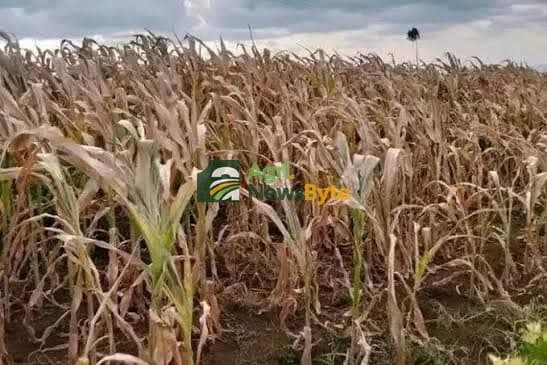
The decline was attributed to prolonged dry spells in June and July, which affected crops during critical growth and grain-filling stages in major maize-producing counties, including Uasin Gishu, Trans Nzoia and Nandi.
The assessment indicates that Kenya's annual net maize import requirement could reach approximately 2.3 million ton with an additional 1.98 million ton still needed to meet consumption and animal feed requirements.
Import activity has already increased. Maize imports reached 115,023 ton in August, nearly three times the volume recorded during the same month in 2025, before easing to 92,237 ton in September.
The report warns that depleted public grain reserves and declining commercial inventories could place upward pressure on domestic maize prices.
Kenya has traditionally relied on neighboring Uganda and Tanzania to supplement local supplies. However, drought-related production losses in Uganda and limited exportable surpluses in Tanzania could make regional sourcing more difficult.
The projected deficit raises questions about the country's preparedness to manage supply disruptions, protect consumers from rising food costs and secure sufficient grain for livestock producers.
The assessment also highlights the importance of improving domestic production resilience, strengthening strategic reserves and diversifying sources of maize supply.
Kamadi
More stories by Kamadi