

AGRA warns food insecurity could worsen across Africa through 2027
AGRA’s latest Food Security Monitor warns that climate shocks, conflict, declining household food stocks and high commodity prices could increase food insecurity across several African regions through 2027.
24 November 2026 · 1 min read

AGRA warns food insecurity could worsen across Africa through 2027
Millions of people across Africa could face worsening food insecurity through 2027 as climate shocks, armed conflict, high commodity prices and declining household food stocks continue to threaten food production and access.
The warning is contained in the October 2026 edition of the Food Security Monitor published by the Alliance for a Green Revolution in Africa (AGRA), which describes the outlook across East, Southern and West Africa as fragile.
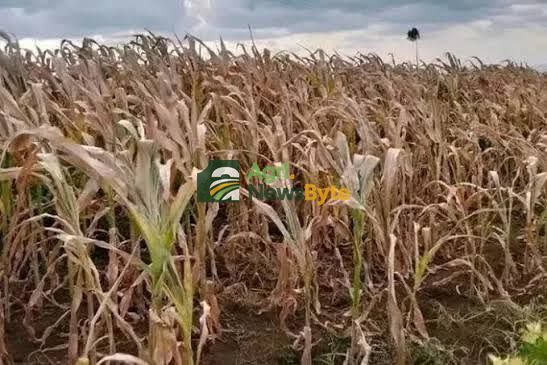
The report points to rainfall deficits, crop losses, displacement and reduced humanitarian assistance as some of the factors likely to increase food needs in parts of the continent.
In East Africa, food insecurity is expected to remain severe through May 2027. Kenya could have between 3.5 million and four million people requiring food assistance, although improving rainfall may support gradual recovery in some pastoral areas.
The report also identifies localized flooding as a continuing risk to livelihoods and agricultural production.
South Sudan faces some of the region's most severe conditions, with widespread Emergency-level food insecurity and pockets of Catastrophe, while drought and conflict continue to affect communities in Ethiopia.
Uganda is also expected to experience continued pressure, particularly in Karamoja and refugee-hosting settlements.
The findings highlight the connection between agricultural production, household purchasing power and humanitarian needs. Even where food is available in markets, high prices can limit access for households whose incomes have been weakened by poor harvests or displacement.
For governments and development partners, the outlook points to the need for early support to farmers, stronger local food systems and targeted assistance for communities facing the greatest risks.
The projections are not a guarantee that conditions will deteriorate everywhere, but they indicate that food security interventions will remain important across several African regions into 2027.
Kamadi
More stories by Kamadi