
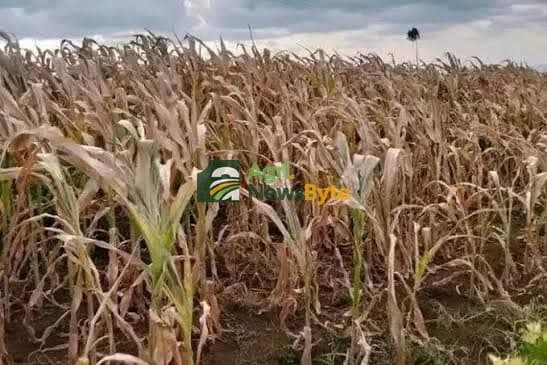
Ghana launches $18.8 million rice project targeting 20,000 farmers
Ghana has launched an AfDB-supported rice development project expected to reach 20,000 smallholder farmers and expand production across the Northern Savannah Ecological Zone. The government aims to achieve rice self-sufficiency by 2028, despite continuing reliance on imports.
16 November 2026 · 1 min read

Ghana launches $18.8 million rice project targeting 20,000 farmers
Ghana has launched an $18.8 million rice development project expected to benefit 20,000 smallholder farmers as the government steps up efforts to reduce dependence on imported rice and achieve national self-sufficiency by 2028.
The Regional West Africa Resilient Rice Value Chains Development Project, known as REWARD-Ghana, is supported by a grant from the African Development Bank (AfDB) and was officially launched in Tamale on November 9.
The five-year initiative will focus on strengthening rice production and improving activities across the value chain, including seed supply, mechanization, processing, storage and marketing.
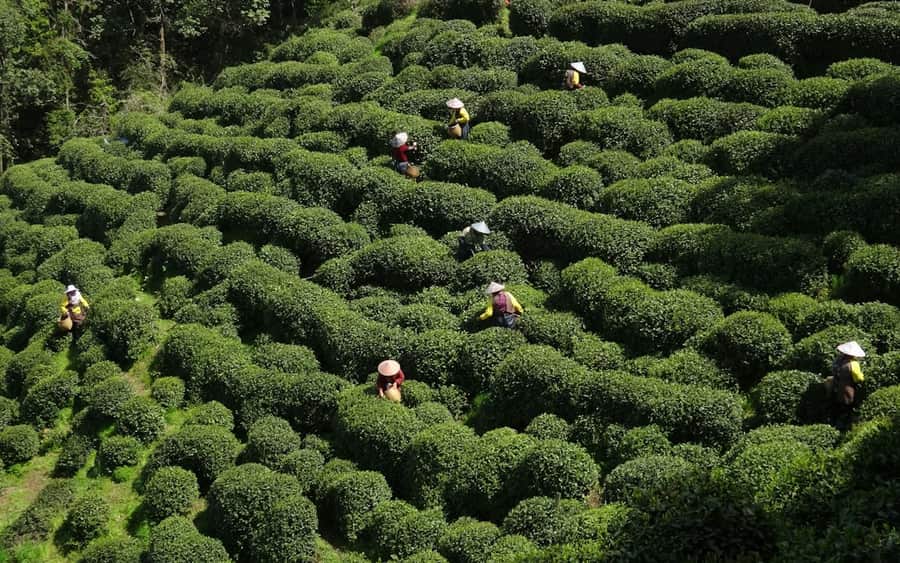
According to Ghana's Information Services Department, the project is expected to directly benefit approximately 20,000 farmers, including women and young people, across selected agricultural areas.
It will also support the development of 3,200 hectares for rice production within the Northern Savannah Ecological Zone.
Ghana's Food and Agriculture Minister, Eric Opoku, said domestic milled rice production increased from approximately 685,000 metric tons in 2022 to 960,000 metric tons in 2025.
Despite the growth, locally produced rice currently meets about 56 per cent of national consumption, while the remaining 44 per cent is supplied through imports. The government estimates that the country spends approximately $500 million annually on rice imports.
The government is targeting national paddy production of 3.31 million metric tons as part of its 2028 self-sufficiency ambition.
The project is intended to address constraints affecting local rice production and competitiveness, including limited infrastructure, changing weather patterns, rising production costs and market access challenges.
Beyond increasing output, the initiative will need to strengthen links between farmers, processors, storage facilities and buyers to ensure that higher production translates into reliable incomes and a more competitive domestic rice industry.
Kamadi
More stories by Kamadi