Maharashtra projects 47% decline in food-grain production after drought
India's Maharashtra state is projecting a sharp decline in its 2026 Kharif harvest, with food-grain output expected to fall 46.6% and oilseed production 55.1% compared with the previous year.
22 November 2026 · 2 min read
Maharashtra projects 47% decline in foodgrain production after drought
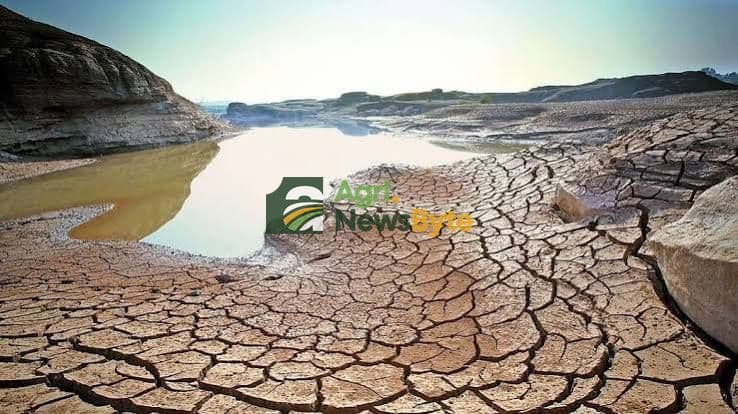
Agricultural production in India's Maharashtra state is expected to fall sharply in the 2026 Kharif season, with food-grain output projected to decline by 46.6 per cent following widespread drought conditions.
The first advance estimate prepared by the state agriculture department at the end of October also projects a 55.1 per cent decline in oilseed production compared with the previous year.
The estimates point to significant pressure across several major crops, including soybean, maize, cotton and pulses.

Soybean production is projected to fall by 56 per cent, from 4.84 million tons to 2.13 million tons. Cotton output is expected to decline by 42.3 per cent, while maize production could fall by 63.5 per cent.
The state's cereal output is projected to decrease by 44.1 per cent, equivalent to a decline of about 3.2 million tons. Pulse production is expected to fall by 57.9 per cent, with tur, moong and urad among the crops facing substantial reductions.
A senior state agriculture department official told the Times of India that rainfall weakened as early as August, contributing to the sharp decline reflected in the preliminary estimate.
The Kharif season, which largely coincides with India's monsoon period, accounts for a significant share of agricultural cultivation in Maharashtra.
The projected decline could affect farm incomes, local supply chains and the availability of crops used for food, animal feed and industrial processing.
Soybean is an important commercial crop in the state, while maize and pulses contribute to food and livestock-feed markets. A substantial reduction in their output could therefore have implications beyond the farms directly affected.
However, the figures remain preliminary. The state is expected to prepare three further estimates before final production figures are established.
The projections highlight the vulnerability of rain-dependent farming to weak or uneven monsoon rainfall, particularly in regions where farmers have limited irrigation options.
The final scale of the production decline will depend on subsequent assessments and the extent to which late-season conditions affect the remaining harvest.
Kamadi
More stories by Kamadi