
Milk prices differ across counties as collection-point rates range between KSh45 and KSh80
Latest county records show cow milk collection-point prices ranging from KSh45 to KSh80 per litre, while KNBS data indicate that the national average retail price increased in October.
10 November 2026 · 1 min read
Milk Prices Differ Across Counties as Collection-Point Rates Range Between KSh45 and KSh80
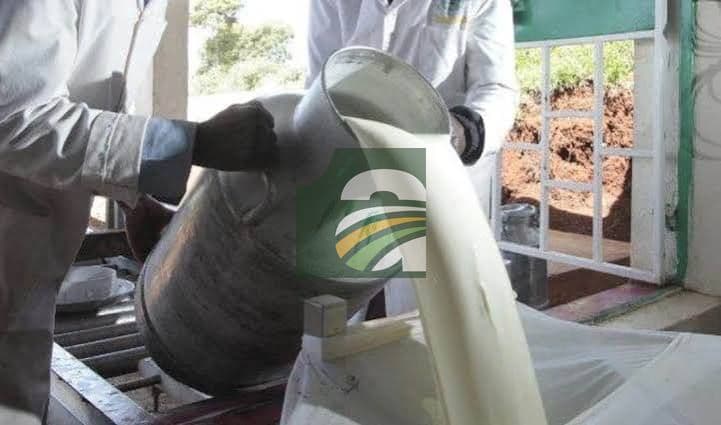
The price of raw cow milk varied across Kenyan counties in the latest available market records, with collection-point quotations ranging from KSh45 to KSh80 per liter.
Data published by Strathmore University's Kenya Agri-Atlas showed that Kirinyaga recorded KSh45 per liter on November 4, the lowest price among the seven counties with available recent records.

Kakamega recorded KSh50 per liter on October 25, while Uasin Gishu reported KSh70 on November 9.
Kisumu and Meru each recorded KSh80 per liter on November 8 and November 3, respectively.
Murang'a reported a retail price of KSh80 per liter on October 31, while Taita Taveta recorded KSh80 on October 30.
The figures are based on county market records, with wholesale prices used where available and retail prices used where wholesale information was unavailable.
National retail data also indicate that milk prices increased between September and October.
According to the Kenya National Bureau of Statistics (KNBS), the average retail price of un-packeted fresh milk rose from KSh77.54 per liter in September to KSh80.58 in October 2026.
The difference between collection-point and retail prices reflects the different stages at which milk is traded. Farmers generally sell milk to collection centers or processors before it reaches consumers through shops and other retail outlets.
Milk prices are influenced by several factors, including the cost of animal feeds, availability of fodder, weather conditions, transport expenses and demand from processors.
For dairy farmers, the price received at the farm or collection point determines part of their income, while consumers are affected by the final retail price.
The latest figures show variations across counties, but further information from dairy cooperatives and processors is needed to establish the reasons behind the differences.
Kamadi
More stories by Kamadi