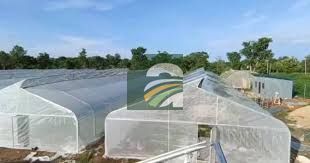




UNIDO selects nine African start-ups developing climate solutions for agriculture.
Nine businesses from eight African countries have been selected to test climate adaptation solutions for agriculture and food value chains. Kenya is represented by two start-ups working in digital agricultural intelligence and cassava value addition.
18 November 2026 · 2 min read

UNIDO selects nine African start-ups developing climate solutions for agriculture
The United Nations Industrial Development Organization (UNIDO) has selected nine African start-ups developing climate adaptation solutions for agriculture and food value chains, with two Kenyan businesses among those chosen for the program.
The start-ups were selected from 453 applications for the first Africa cohort of the Adaptation Small and Medium-sized Enterprises Innovation Facility (ASIF) Ignite program, announced on November 18, 2026.
The businesses come from Angola, Benin, Kenya, Malawi, Tanzania, Uganda, Zambia and Zimbabwe. They are developing solutions addressing challenges such as water scarcity, unpredictable rainfall, agricultural finance, livestock feed, food safety and post-harvest losses.

The Kenyan businesses are Kilimora and North Coast Innovators.
Kilimora is developing AgriKonnekt, a digital platform that combines satellite data, field observations and Internet of Things technologies to provide localized agricultural intelligence, weather updates and monitoring of climate-related outcomes.
North Coast Innovators works with cassava farmers through training, aggregation, solar drying and milling. Its model aims to reduce post-harvest losses while creating opportunities to add value to cassava produce.
Other selected businesses include Benin-based ALLO VETO, which is developing a tool to formulate affordable poultry feed using locally available ingredients, and Angola's Eco Biogas, which produces biodigesters that convert agricultural and organic waste into biogas and bio-fertilizer.
In Zambia, LinkBridge is designing shared solar-powered irrigation infrastructure for smallholder farmers, while Uganda's Ghala Circular Solutions is developing a savings model intended to help agricultural producers access financing for inputs and equipment.
The program is being implemented by UNIDO in collaboration with BFA Global, with funding from the Adaptation Fund's Climate Innovation Accelerator.
The selected businesses are at an early stage of development. UNIDO said they have working prototypes that require further testing and validation with intended users before they can progress towards wider commercial deployment.
Through an eight-week program, the founders will receive specialist support, artificial intelligence training and opportunities to test their solutions with farmers, cooperatives, processors and other intended customers.
The program is designed to help businesses gather evidence of user demand, assess their potential adaptation impact and strengthen their business models.
Women are also represented in the cohort. UNIDO reported that 55.6 per cent of the businesses are founded or co-founded by women, while 77.8 per cent have a woman in a leadership position.
The start-ups began the program with an orientation session on November 11, 2026. They are expected to present the outcomes of their user testing at a Founder Showcase and Feedback Forum in late February 2027.
The initiative highlights the growing role of African businesses in developing locally adapted responses to climate-related agricultural challenges. However, the next stage will be important in determining whether the technologies can demonstrate practical value for farmers and attract customers beyond the program.
For the Kenyan businesses, the opportunity will be to demonstrate how their solutions can address real challenges facing cassava producers and other agricultural communities while building commercially sustainable operations.
Kamadi
More stories by Kamadi