
Ghana begins field trials of crop-protection products made from discarded shell waste
A Ghanaian agribusiness consortium and a Turkish biotechnology company are preparing to test chitosan-based agricultural products made from discarded shrimp and crab shells, exploring their potential for crop protection and soil improvement.
23 November 2026 · 1 min read
Ghana begins field trials of crop-protection products made from discarded shell waste
A Ghanaian agribusiness consortium and a Turkish biotechnology company are preparing agricultural field trials using products developed from discarded shrimp and crab shells, in a partnership exploring new uses for seafood-processing waste.
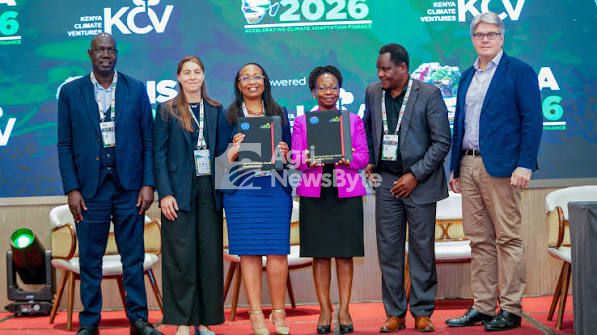
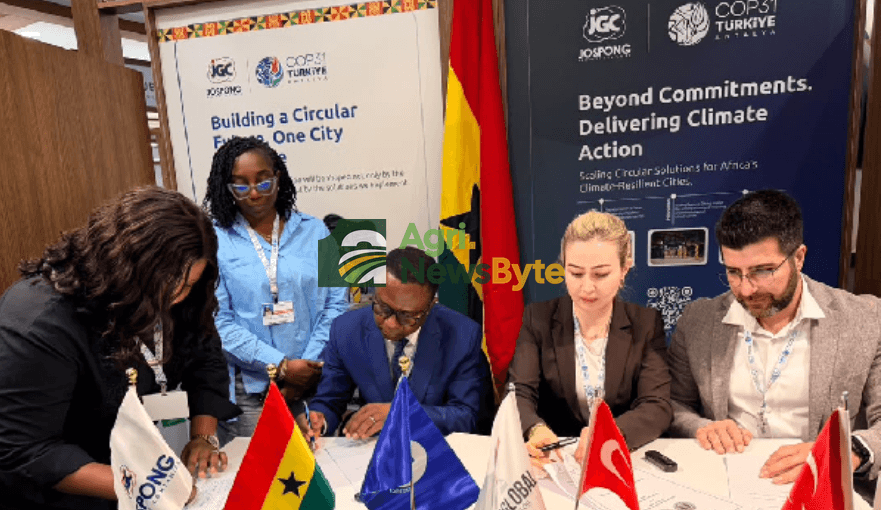
The African Agribusiness Consortium (AAC), a subsidiary of Ghana's Jospong Group of Companies, and ChitoGlobal Biotechnology signed a memorandum of understanding to collaborate on research and testing of chitosan-based agricultural products.
Chitosan is a substance derived from chitin, which is found in the shells of crustaceans such as shrimp and crabs.
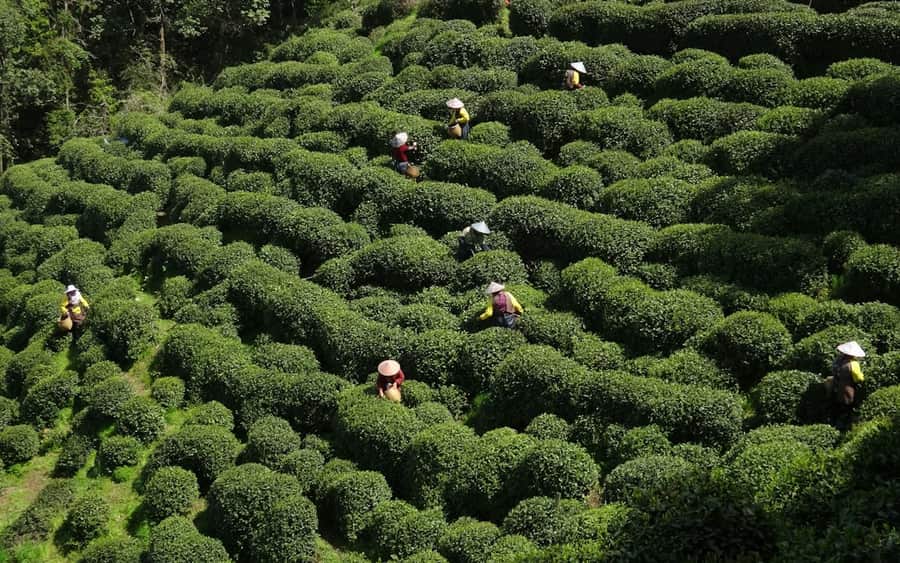
The planned trials will assess whether the products can protect seeds and crops, strengthen plants' natural defences against fungal diseases, improve their ability to withstand dry conditions and influence soil quality and crop yields.
The partnership will also examine whether the products can be manufactured commercially in Ghana and whether sufficient raw materials are available locally.
AAC Chief Investment and Innovation Officer Noah Gyimah said the consortium would first seek the necessary approvals from Ghana's environmental and standards authorities before using the products on its farms.
The consortium also intends to assess potential buyers and the commercial viability of local production.
If the trials demonstrate that the products are suitable for agricultural use, the partners intend to explore making them available to smallholder farmers.
The proposed research also includes testing the products on commercial rice, maize, vegetable and soybean farms operated by the consortium.
The initiative could create an additional use for seafood-processing waste while contributing to research into alternative agricultural inputs.
However, the products remain at the research and testing stage. Their effectiveness, safety, regulatory approval and production costs will need to be established before they can be considered a commercially available option for farmers.
Kamadi
More stories by Kamadi