

Nigeria secures $3 million for climate-adapted tomato greenhouse project in Kano
Nigeria has secured a $3 million financing agreement for a pilot project expected to establish 1,000 climate-adapted tomato greenhouses in Kano State. The initiative will combine public financing and private-sector technology, with a review planned after nine months.
16 November 2026 · 2 min read
Nigeria secures $3 million for climate-adapted tomato greenhouse project in Kano
Nigeria has secured a $3 million investment agreement for a climate-adapted greenhouse farming project in Kano State, in a move aimed at expanding tomato production and attracting private-sector financing into agriculture.
The agreement was signed during the COP31 climate summit in Türkiye on November 11, with Nigeria's Minister of Agriculture and Food Security, Abubakar Kyari, witnessing the signing of a memorandum of understanding.
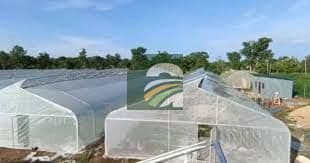
The pilot project, which falls under the Special Agro-Industrial Processing Zones program, is expected to establish approximately 1,000 greenhouses for tomato production.

Under the financing arrangement, the Bank of Agriculture will provide $1.5 million to establish a structured financing mechanism for participating farmers. Turkish firm Direkci Group will contribute the remaining $1.5 million, alongside greenhouse technology, engineering, installation and technical support.
The project is expected to prioritize women and smallholder farmers through access to financing, productive assets, technical mentorship and market linkages.
Kyari said the agreement was intended to support a shift towards more technology-driven and commercially oriented agricultural production.
The partners have also agreed to conduct a joint performance review after nine months. A possible expansion involving greenhouse systems and equipment valued at a minimum of $30 million has been proposed, but would depend on agreed acquisitions and performance milestones.
Greenhouse production can help farmers manage growing conditions and reduce exposure to some weather-related risks. However, its commercial viability depends on factors such as construction and maintenance costs, access to reliable water and energy, technical skills, input availability and dependable markets.
The Kano project will therefore need to demonstrate that participating farmers can operate the facilities sustainably and generate sufficient returns before any wider expansion is considered.
The agreement forms part of Nigeria's broader efforts to attract investment into agricultural production and strengthen the country's food supply.
Kamadi
More stories by Kamadi