
Republic of Congo opens 20-hectare irrigated farming zone in Kouilou
A new 20-hectare protected agricultural zone in Madingo-Kayes is equipped with solar-powered water pumping and 12 irrigation units, with producers planning to supply vegetable markets in three cities.
25 November 2026 · 1 min read
Republic of Congo opens 20-hectare irrigated farming zone in Kouilou
The Republic of Congo has opened a 20-hectare protected agricultural zone in Madingo-Kayes, Kouilou Department, equipped with solar-powered irrigation infrastructure to support vegetable production.
Agriculture and Livestock Minister Paul Valentin Ngobo said the facility represents the country's largest investment in infrastructure for protected agricultural zones.
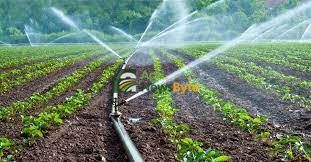
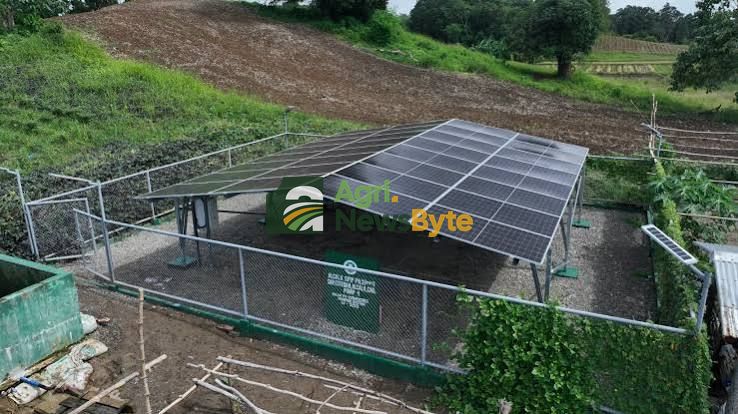
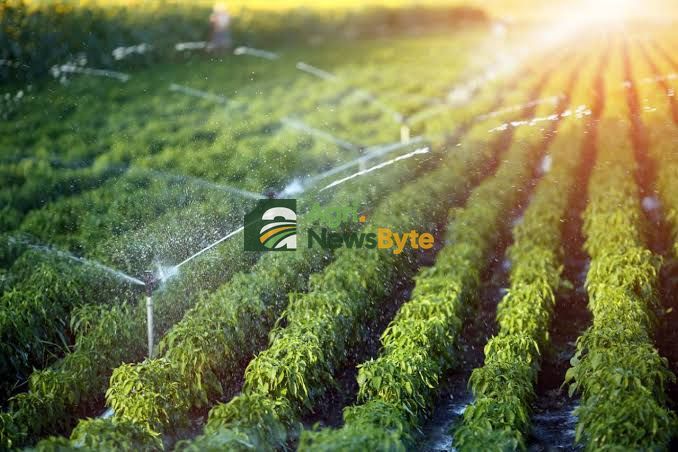
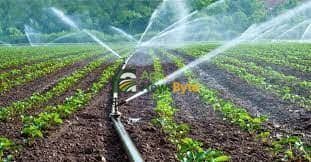
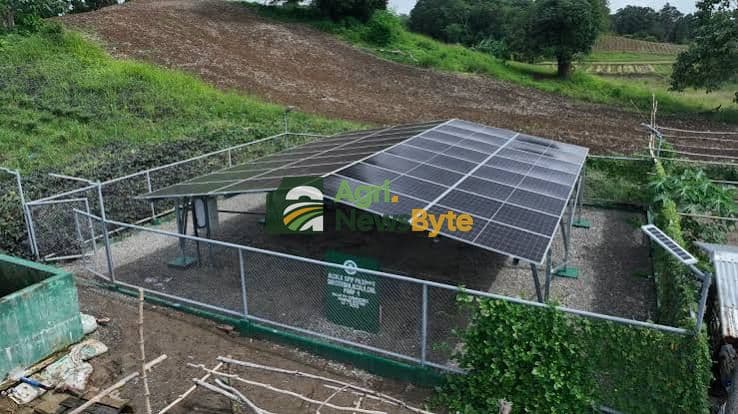
The site includes a solar-powered pumping station supplying 12 irrigation units, alongside mechanization support and four Kavaki vehicles.
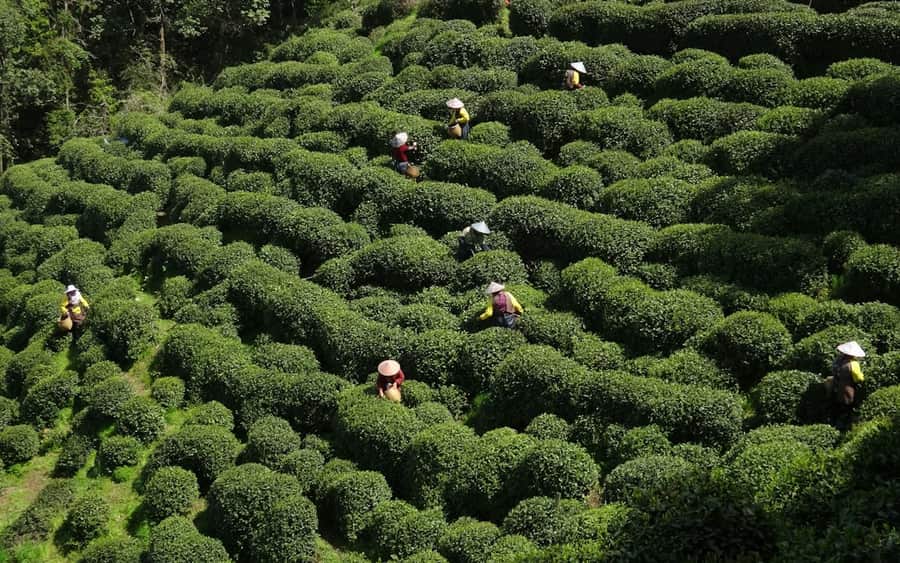
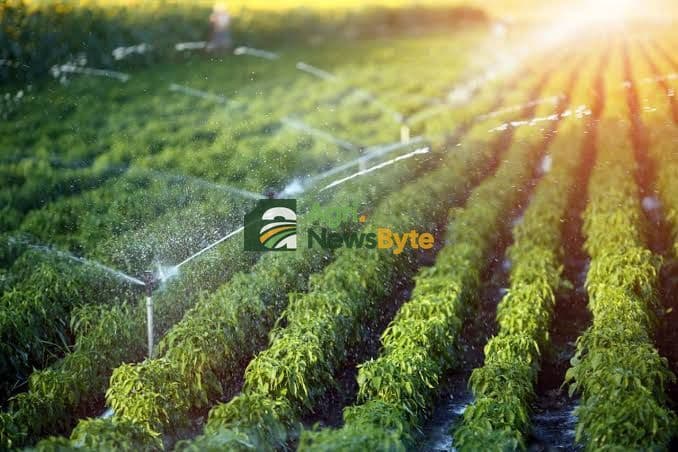
The infrastructure is intended to support farmers with access to water and equipment as they increase vegetable production.
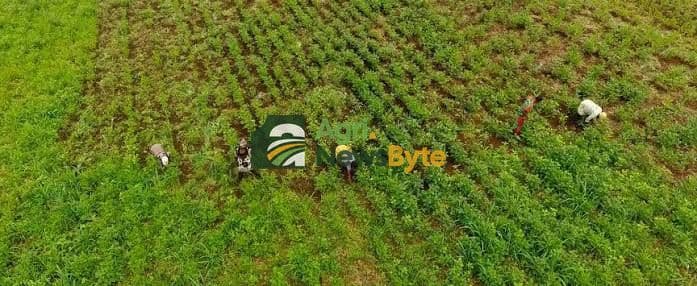
Arthur Tamane Mavoungou, president of the agricultural zone, said producers planned to supply markets in Madingo-Kayes, Pointe-Noire and Brazzaville.
The project is the first protected agricultural zone established in Kouilou Department and forms part of efforts to strengthen local production and improve access to agricultural infrastructure.
Solar-powered pumping could help reduce dependence on conventional energy sources while supporting more consistent water access for farmers.
The planned supply of produce to three urban markets could also create opportunities for growers to expand their customer base and improve commercial production.
However, the long-term performance of the site will depend on how the infrastructure is maintained, how water is managed and whether farmers can access inputs, transport and reliable buyers.
The project highlights the role of irrigation and mechanization in supporting vegetable production, particularly where farmers face limitations linked to rainfall and access to equipment.
Its wider impact will depend on whether the model can be sustained and replicated in other farming areas.
Kamadi
More stories by Kamadi