

Philippines launches four solar-powered irrigation projects to support 110 farmers
Four solar-powered irrigation facilities launched in Leyte and Samar will serve nearly 55 hectares of farmland, providing a more reliable water supply for 110 farmers as the country prepares for El Niño-related risks.
23 November 2026 · 1 min read
Philippines launches four solar-powered irrigation projects to support 110 farmers
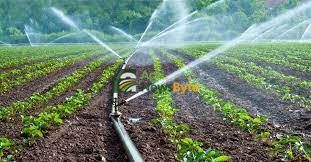
The Philippines has launched four solar-powered irrigation projects in Leyte and Samar to improve water access for farmers and reduce the risk of production disruptions during dry weather.
The projects, launched by the National Irrigation Administration on November 21, are expected to serve 54.99 hectares of farmland and benefit 110 farmers.
Two facilities in Barangay Conalum, Inopacan, Leyte will cover 30 hectares and support 60 farmers.

Another project in Barangay Malaguinabot, San Miguel, Leyte will serve 14.99 hectares and benefit 14 farmers, while a fourth facility in Barangay Malino, Jiabong, Samar will cover 10 hectares for 36 farmers.
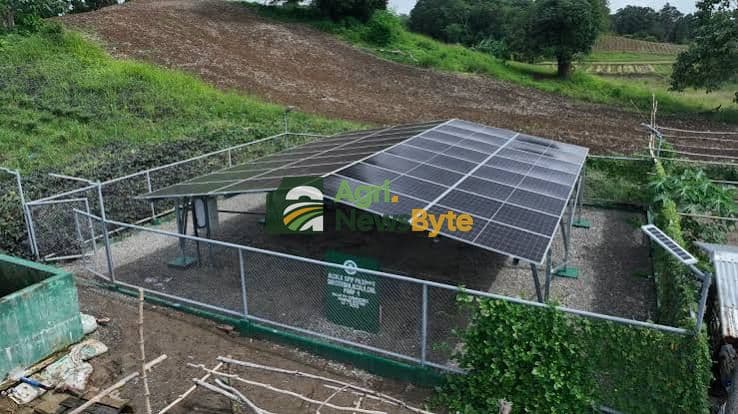
The solar-powered systems use sunlight to operate water pumps, reducing reliance on conventional electricity or fuel to move water to agricultural land.
The National Irrigation Administration said the projects are intended to provide farmers with a more dependable water supply and help mitigate the possible effects of El Niño.
The facilities are also expected to reduce irrigation costs and support improved agricultural production in the beneficiary communities.
Farmers' irrigators' associations have pledged to take responsibility for maintaining the systems, an important consideration for ensuring the facilities remain operational beyond their launch.
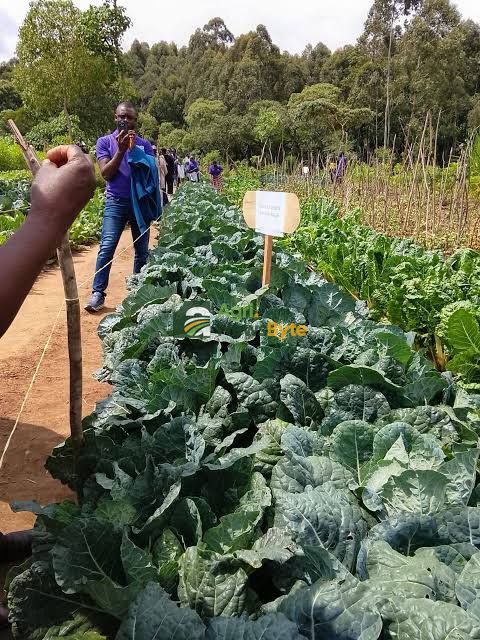
Reliable irrigation is particularly important for rice farmers, whose production depends heavily on consistent water availability during key stages of crop development.
The projects form part of wider efforts in the Philippines to strengthen agricultural resilience through improved irrigation infrastructure and renewable energy.
However, the long-term benefits will depend on maintenance arrangements, access to spare parts and the ability of local associations to manage the facilities effectively.
Kamadi
More stories by Kamadi