
Kenyan farmers adopt low-cost methods to protect farms from soil erosion
Farmers in Kiambu are using sand-filled sacks, trenches and vegetation to slow runoff and protect productive topsoil ahead of heavy rains. The methods highlight the importance of practical soil conservation as extreme weather threatens farm productivity.
16 November 2026 · 2 min read
Kenyan farmers adopt low-cost methods to protect farms from soil erosion
Farmers in parts of Kiambu County are adopting low-cost soil conservation methods to protect their farms from erosion as Kenya prepares for a rainy season forecast to bring heavier-than-usual downpours.
The measures include digging trenches, placing sand-filled sacks along water channels and planting vegetation such as Napier grass and bamboo to slow surface runoff and hold soil in place.
In Limuru, farmer Elizabeth Itotia has introduced the techniques on her five-acre farm after heavy rains in 2024 washed away much of its nutrient-rich topsoil and destroyed several crops, including kale, spinach, cabbage, potatoes and indigenous vegetables.

The damage left her with estimated losses of KSh200,000. She and her family also had to bring in replacement topsoil from other farms, adding to the labor and cost of restoring the land.
Itotia now places sand-filled sacks in trenches to reduce the speed of rainwater flowing across the farm. She has also planted Napier grass and bamboo in areas vulnerable to erosion. The Napier grass provides additional fodder for her livestock.
Other farmers in the area are adopting similar approaches, while coffee farmer Moses Muhoro in Karatina, Nyeri County, has also been digging trenches and using soil-filled sacks after previous rainfall damaged his farm and affected production.
Agronomist Samuel Munyiri recommends additional measures, including terracing, constructing gabions, planting across slopes rather than along them and maintaining ground cover to reduce soil loss.
He also advises farmers to consider crop suitability and planting schedules during prolonged rainfall. Beans, potatoes and cabbages may be more vulnerable to damage from excessive rain, while cereals generally perform better under such conditions.
The Kenya Meteorological Department has warned of above-average rainfall in several parts of the country during the season. November was projected to be the peak period, with some food-producing areas among those expected to receive heavier rainfall.
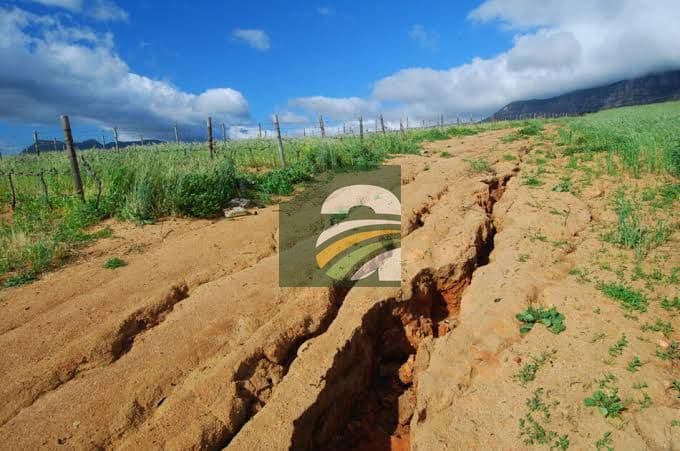
Soil erosion can reduce farm productivity by removing the fertile top layer needed for crop growth. For farmers who depend on rain-fed agriculture, protecting that soil is an important part of preparing for increasingly unpredictable weather.
Kamadi
More stories by Kamadi