

Ecorobotix expands AI plant-recognition models for precision spraying
Swiss agritech company Ecorobotix has announced 10 new plant-recognition models for its ARA precision sprayer, expanding the range of crops and weeds the equipment is designed to identify and treat.
13 November 2026 · 2 min read
Ecorobotix expands AI plant-recognition models for precision spraying
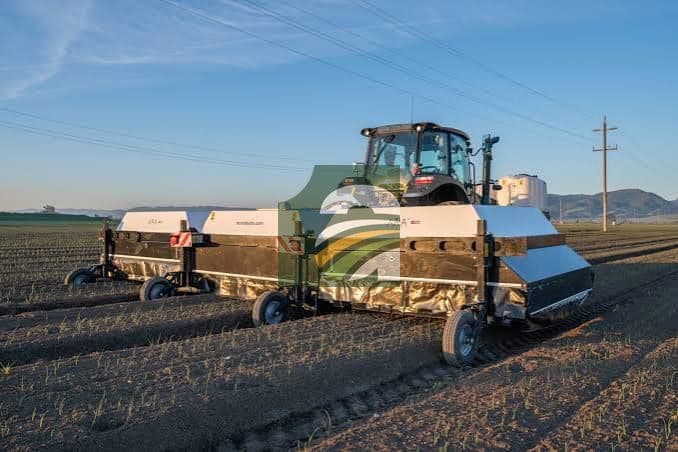
Swiss agricultural technology company Ecorobotix has announced 10 new plant-detection models for its ARA precision sprayer as it expands the range of crops and weeds that its artificial intelligence system can recognize.
The new models form part of the company's 2027 artificial intelligence lineup and are expected to become available from March 2027.
The additions include models for crops such as garlic, leek and potato, alongside other plant-recognition tools being developed for the system.

Ecorobotix said it would also make 55 additional models available for testing, including those designed for crops such as peppers and zucchini and weeds such as yellow nutsedge.
The expansion will take the company's portfolio to more than 120 plant-recognition and treatment models, according to the announcement published on October 29.
The ARA sprayer uses cameras and artificial intelligence to identify plants and apply treatment to targeted areas rather than spraying an entire field uniformly.
This approach, commonly described as precision or spot spraying, is intended to reduce unnecessary chemical application and improve the accuracy of crop protection operations.
Ecorobotix said its customers tested commercial crop models across more than 11,000 hectares in over 20 countries during 2026. The company reported average input reductions of 86 per cent compared with broadcast spraying.
That figure is a company-reported result and should be assessed against independent field trials before being treated as a general performance benchmark.
The technology comes as farmers face pressure to manage input costs while responding to concerns about chemical use, resistance and environmental impacts.
However, the practical value of AI spraying systems depends on the accuracy of plant recognition under different field conditions, the cost of equipment and maintenance, and the availability of suitable crop models.
The company has not announced that all the newly introduced models are already commercially available, with the new lineup scheduled for March 2027.
For farmers considering precision spraying, the key question will be whether savings on chemicals and improved application efficiency can offset the cost of adopting the technology.
Kamadi
More stories by Kamadi