Turkish Cotton Production Forecast to Fall 38% as Drought and Costs Hit Farmers
Turkey's cotton production is expected to decline by 38 per cent in 2026 as drought, rising irrigation expenses and expensive farm inputs force growers to reduce planting.
10 November 2026 · 2 min read
Turkish Cotton Production Forecast to Fall 38% as Drought and Costs Hit Farmers
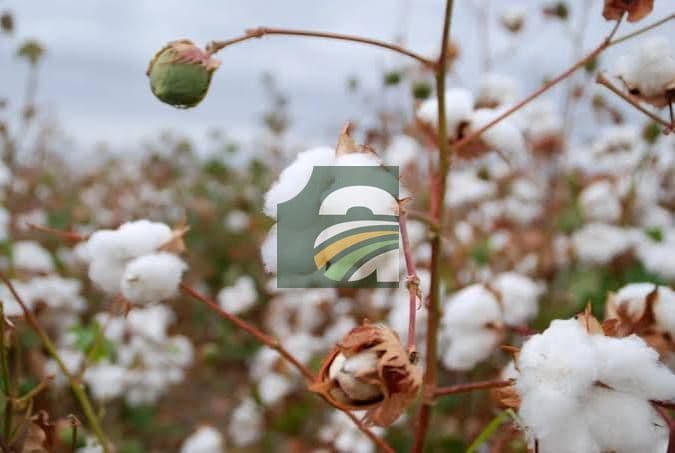
Turkey's cotton production is expected to decline by 38 per cent in 2026 as prolonged drought and rising agricultural production costs force farmers to reduce the area under cultivation.
According to Reuters, the country's overall seed cotton output is projected to fall to 1.2 million metric tons this year, based on figures from the Turkish Statistical Institute.
Farmers in the western agricultural region of Söke have reduced cotton acreage by approximately 60 per cent to about 120,000 decares, according to a local farming group.

The production challenges come as growers face higher irrigation, fuel and fertilizer expenses, making cotton cultivation increasingly difficult in drought-prone areas.
One farmer interviewed by Reuters, Mehmet Kabak, said he had switched part of his land from cotton to wheat and sunflower, crops that require less water and are cheaper to produce.
Agriculture accounts for approximately five per cent of Turkey's economic output but consumes 79 per cent of the country's water, according to figures cited by Reuters.
The country experienced its worst drought in more than 50 years in 2025, with rainfall recorded at 27 per cent below the long-term average.
Although dam levels have since recovered to some extent, analysts warn that the improvement may be temporary.
The Turkish government has announced plans to increase funding for land and water resource management by 40.5 per cent in the next budget, with 174 billion Turkish lira earmarked for agricultural irrigation investments.
However, farmers continue to face barriers to adopting more efficient irrigation systems, including high upfront costs, uncertain returns and limited access to credit.
Experts have warned that improving water-use efficiency will be essential to protecting agricultural production as climate pressures intensify.
The developments come as Türkiye hosts COP31, where climate adaptation and financing for vulnerable agricultural communities are among the issues under discussion.
Kamadi
More stories by Kamadi