
Kenya livestock stakeholders call for conservancy to protect indigenous breeds
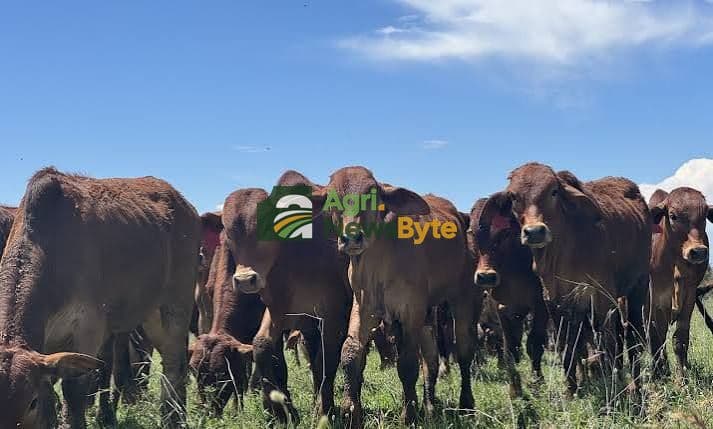
Livestock experts and regional stakeholders want Kenya to establish a conservancy for indigenous breeds such as the Maasai Red and Galla goats, warning that drought, disease and changing breeding practices could put valuable local genetics at risk.
24 November 2026 · 2 min read
Kenya livestock stakeholders call for conservancy to protect indigenous breeds
Livestock stakeholders in Kenya are calling for the establishment of a conservancy to protect indigenous animal breeds, warning that drought, diseases and changing farming practices could threaten the survival of livestock adapted to local conditions.
The proposal was raised during discussions at the first Eastern Africa Indigenous Seed Conference in Nairobi, where researchers and regional representatives highlighted the need to include livestock genetic resources in broader agricultural conservation efforts.
Prof Bockline Omedo Bebe, a livestock production systems expert at Egerton University, said indigenous breeds such as the Maasai Red and Galla goats needed deliberate protection, including a system that recognizes and rewards farmers who continue keeping them.

He argued that conservation should extend beyond indigenous seeds and plant varieties to include animals that have supported pastoralist communities for generations.
East African Legislative Assembly member David Ole Sankok also raised concerns about the declining attention given to indigenous livestock. He questioned the lack of dedicated institutional support for local breeds and called for greater investment in the livestock and leather industries.
Sankok warned that an increasing preference for imported genetics could weaken indigenous breeding populations, despite the ability of some local breeds to withstand drought and disease.
The conference, held from November 17 to 20 at the Catholic University of Eastern Africa, brought together farmers, researchers, seed custodians, policymakers and development organizations to discuss agricultural biodiversity and farmer-managed food systems.
A proposed livestock conservancy could provide a structured way to protect local breeds, but stakeholders would still need to establish how it would be funded, managed and linked to pastoralist communities.
For farmers, conserving indigenous livestock is not only about protecting heritage. It could also help preserve genetic traits that are valuable as climate pressures and animal health risks affect production.
Kamadi
More stories by Kamadi