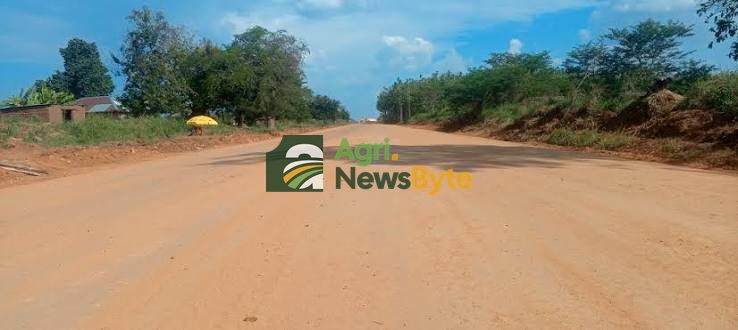


Timboroa–Meteitei–Kopere road upgrade reaches 80 per cent completion.
The 63.2-kilometre road project linking Timboroa, Meteitei, Songor and Kopere has seen 46 kilo-metres upgraded to bitumen standard. The improved route is expected to support agricultural transport and market access across surrounding communities.
18 November 2026 · 2 min read
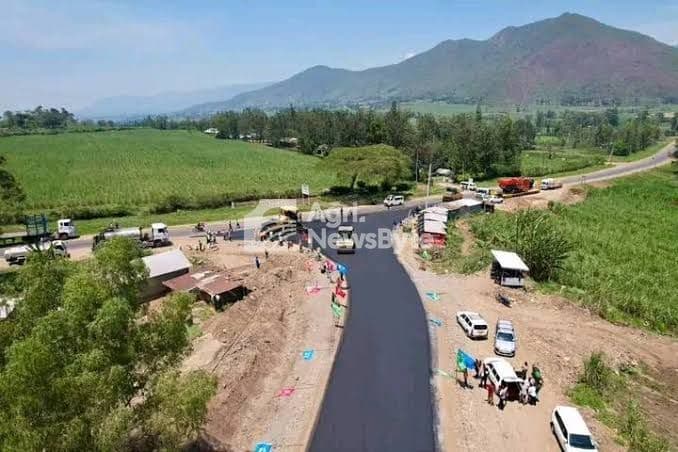
Timboroa–Meteitei–Kopere road upgrade reaches 80 per cent completion
The upgrade of the 63.2-kilometre Timboroa–Meteitei–Kopere Road has reached 80 per cent completion, with the improved route expected to strengthen transport links for farmers and traders in parts of Nandi and Uasin Gishu counties.
The road starts at Timboroa Junction along the A104 highway, passes through Meteitei and Songor before terminating at Kopere, connecting communities that depend on the route to move agricultural produce and access markets.
According to a report published by People Daily on November 17, 2026, approximately 46 kilo-metres of the road have been upgraded from gravel to bitumen standard, leaving 17.2 kilo-metres to be completed.

Project engineer Joseph Muange said construction had reached 80 per cent physical progress, compared with 74 per cent of the contractual period that had elapsed.
The project is expected to be completed by June 12, 2027.
The road serves agricultural communities where farmers grow crops and transport produce to nearby trading centers and markets. Sugarcane trucks and tractors also use the route.
Improved road conditions are expected to make the movement of agricultural produce more reliable, particularly during rainy periods when poor road surfaces can delay transportation.
The project has also created employment opportunities, with approximately 200 technical staff and casual workers engaged during construction.
One of the workers, Mercy Chepkemoi, joined the project as a laboratory attendant and has gained practical experience in materials testing, quality control and machinery operation.
The project engineer said completed road layers undergo sampling and laboratory testing before additional construction work proceeds. Sections that fail to meet the required specifications must be corrected.
After the scheduled completion, the contractor will be responsible for addressing defects during a one-year notification period, followed by three years of performance-based routine maintenance.
For farmers, improved road infrastructure can reduce delays in transporting produce, make agricultural inputs easier to access and improve links with buyers.
However, the extent to which the upgrade improves farm incomes will depend on transport costs, market demand and the prices farmers receive for their produce.
The completion of the remaining 17.2 kilo-meters will therefore be an important step in determining the road's long-term contribution to agricultural trade and economic activity in the surrounding communities.
Kamadi
More stories by Kamadi