




Sri Lankan blue swimming crab fishery secures first MSC certification
Sri Lanka's north-western blue swimming crab fishery has become the country's first to receive Marine Stewardship Council certification, following more than a decade of work involving fishing communities, exporters and government agencies.
13 November 2026 · 2 min read
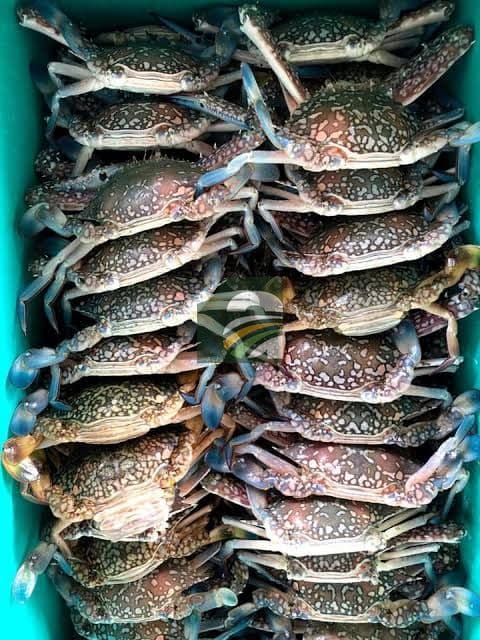
Sri Lankan blue swimming crab fishery secures first MSC certification
Sri Lanka's north-western blue swimming crab fishery has become the country's first to receive certification from the Marine Stewardship Council (MSC), marking a milestone for coastal fishing communities and the country's seafood export industry.
The certification, announced on November 5, covers blue swimming crab (Portunus pelagicus) caught in two fishing areas off Sri Lanka's north-western coast: Palk Bay and the Gulf of Mannar.
The fishery supplies international seafood markets in North America and Europe, with small-scale fishers using bottom-set gillnets from traditional boats and small motorized vessels.

The certification follows more than a decade of collaboration between fishing communities, seafood exporters, government authorities and other stakeholders to improve fisheries management and protect crab stocks.
The process began in 2013, when the Seafood Exporters' Association of Sri Lanka, supported by the National Fisheries Institute Crab Council, brought together stakeholders to strengthen scientific understanding of crab stocks and assess the effects of fishing on marine habitats.
Over the years, the initiative introduced improved data collection, scientific stock assessments and harvest strategies to guide fishing activities.
Measures were also introduced to reduce the impact of fishing on non-target species and vulnerable marine life, while a minimum legal purchasing size of 100 grams was established to help protect juvenile crabs.
The fishery supports thousands of small-scale fishers and a wider supply chain that includes collection centres and processing facilities. The processing industry also provides employment for thousands of women involved in preparing crab meat for export.
MSC certification is expected to strengthen the fishery's position in international markets where retailers and seafood buyers increasingly seek independently certified products.
However, maintaining the certification will require continued compliance with fisheries management requirements, monitoring of crab stocks and cooperation between fishing communities, exporters and regulators.
The achievement also offers a potential model for other fisheries in the region seeking to improve sustainability and access international seafood markets.
For Sri Lanka, the next challenge will be ensuring that the commercial benefits of certification reach the fishing communities whose participation made the achievement possible.
Kamadi
More stories by Kamadi