

Nigeria’s Bank of Agriculture proposes N350,000 maize price floor
Nigeria’s Bank of Agriculture has announced a N200 billion intervention intended to support farmers facing falling crop prices, including a proposed N350,000-per-tonne price floor for maize.
25 November 2026 · 1 min read
Nigeria’s Bank of Agriculture proposes N350,000 maize price floor
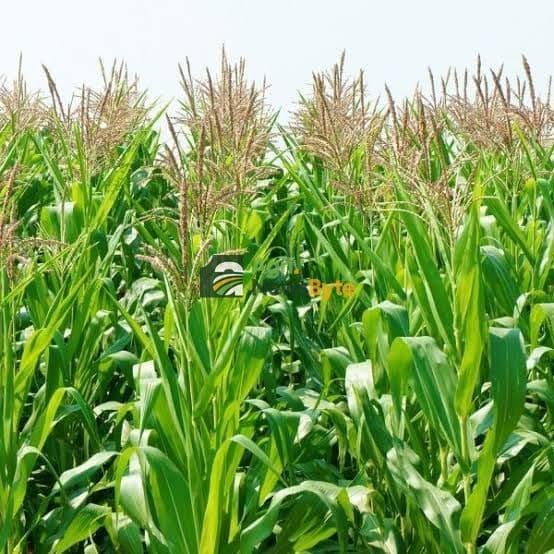
Nigeria's Bank of Agriculture has announced a N200 billion intervention intended to support farmers affected by falling crop prices, including a proposed price floor of N350,000 per ton for maize.
The bank's managing director, Ayodeji Sontinrin, announced the intervention during the 2026 National Growth and Development Forum in Abuja, saying the measure was aimed at addressing the sharp decline in maize prices.
Sontinrin said maize prices had fallen from approximately N680,000 per ton to N140,000, placing pressure on farmers who had already invested in production.

The proposed price floor is intended to provide growers with a more predictable return and reduce the risk of selling their produce at significantly lower prices.
The bank said it had mobilized nearly N500 billion for agricultural support programs targeting more than 500,000 smallholder farmers across 16 states.
Its N250 billion Smallholder Farm Support facility has reportedly reached more than 70,000 women and distributed over 2.5 million bags of fertilizer and 300,000 bags of certified seeds.
The wider program also includes access to discounted tractors, solar-powered irrigation pumps and electric cargo tricycles.
The bank said it was supporting dry-season rice and wheat production, alongside targeted financing for women and young people in agriculture.
A price-support mechanism could help reduce uncertainty for maize growers, particularly when market prices fall sharply after harvest. However, the practical impact will depend on how the proposed floor is implemented, which farmers qualify and how purchases are financed.
The announcement also raises questions about storage capacity and the ability of the market to absorb grain without creating new supply-management challenges.
For farmers, the key test will be whether the intervention provides timely and accessible support when they take their produce to market.
Kamadi
More stories by Kamadi