Namibia and Botswana move to ease livestock trade restrictions
Namibia and Botswana have agreed to establish a joint veterinary technical committee to address livestock export restrictions, harmonize animal health standards and improve cross-border trade.
25 November 2026 · 1 min read
Namibia and Botswana move to ease livestock trade restrictions
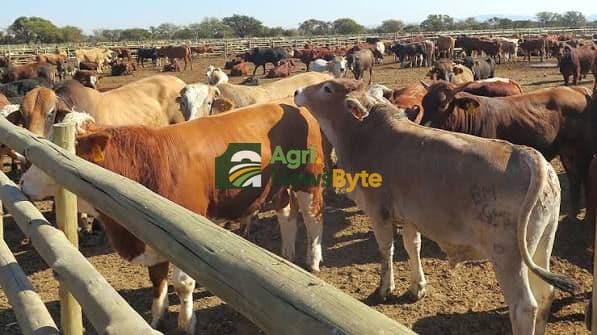
Namibia and Botswana have agreed to work towards easing restrictions affecting livestock and animal product exports between the two countries, in a move aimed at improving regional agricultural trade.
The agreement followed bilateral talks held in Windhoek on November 23 between Namibia's Minister of Agriculture, Fisheries, Water and Land Reform, Inge Zaamwani, and Botswana's Minister of Lands and Agriculture, Edwin Dikoloti.
The two governments agreed to establish a Joint Veterinary Technical Committee to address trade barriers, harmonize veterinary standards and facilitate the movement of animals and animal products across their shared border.

The committee is expected to focus on aligning veterinary requirements with standards set by the World Organization for Animal Health, coordinating animal disease control measures and improving the exchange of information on livestock health.
The countries also agreed to strengthen cooperation on vaccine supply and technical capacity within their veterinary departments, particularly in relation to transboundary diseases such as foot-and-mouth disease.
The ministers directed their technical teams to operationalize the committee within two weeks of the joint communiqué.
Livestock trade restrictions can affect producers by limiting access to export markets, increasing costs and disrupting the movement of animals and animal products.
Improved coordination between Namibia and Botswana could create opportunities for producers and traders, particularly if the countries can establish consistent animal health requirements and reliable inspection systems.
The agreement does not mean that all existing restrictions have already been removed. The joint committee will need to address the technical and regulatory issues that currently affect trade.
Its effectiveness will depend on implementation, disease surveillance and the ability of both countries to maintain animal health safeguards while facilitating legitimate cross-border commerce.
Kamadi
More stories by Kamadi