
Morocco plans to support imports of 30,000 cattle annually to rebuild national herd
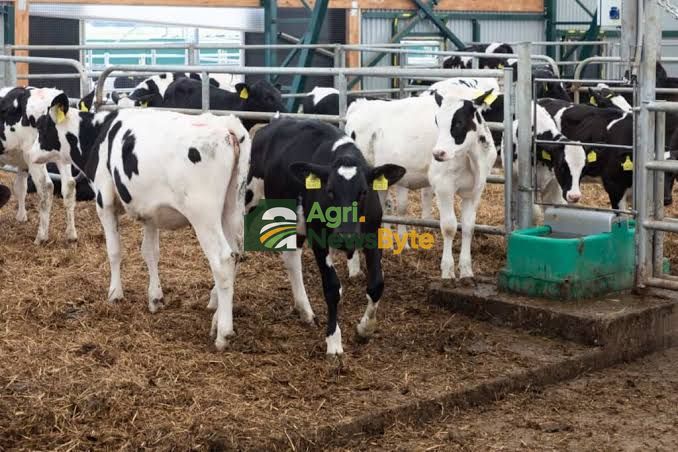
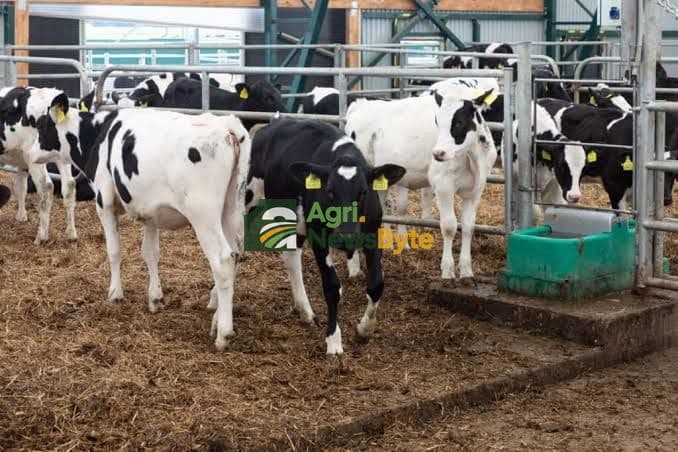
Morocco plans to support the importation of at least 30,000 cattle annually for six years as it seeks to rebuild its national herd and strengthen domestic milk and meat production.
25 November 2026 · 1 min read
Morocco plans to support imports of 30,000 cattle annually to rebuild national herd
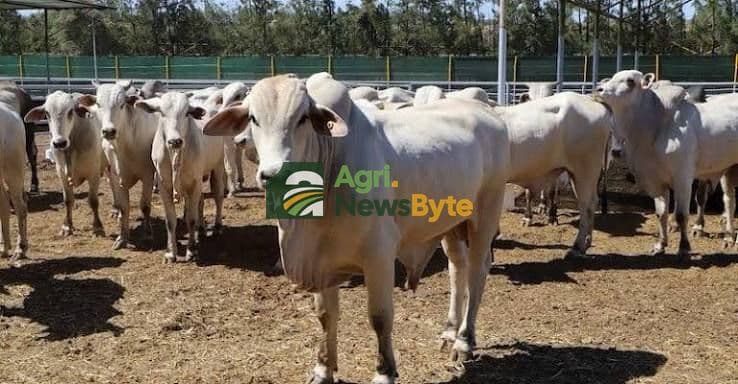
Morocco plans to support the importation of at least 30,000 cattle annually over six years as part of a program to rebuild its national herd and strengthen domestic milk and meat production.
Agriculture Minister Khalid Hatimy announced the plan on November 23 during parliamentary questions at the House of Representatives, saying the program would support both large livestock operations and small and medium-sized breeders.
The initiative aims to increase the country's dairy cattle population to more than 1.5 million animals by combining imported livestock with stronger local reproduction.
The government also intends to improve milk and meat production as it responds to domestic demand for animal products.
According to the minister, Morocco's annual market requirements include between 750,000 and 800,000 cattle and approximately 14 million sheep and goats.
The program forms part of wider efforts to rebuild livestock numbers and improve the performance of the domestic livestock sector.
Authorities are also considering measures to improve transparency in the red meat market. A joint circular is expected to require sales outlets to display meat prices and indicate whether the products are locally produced or imported.
The ministry is also preparing legislation for the livestock sector and a decree concerning powdered milk.
While the proposed cattle imports could help replenish the national herd, the program's impact will depend on the cost of imported animals, their adaptation to local conditions, animal health controls and the availability of feed and water.
Expanding livestock numbers without addressing production costs could place additional pressure on farmers.
The government's longer-term challenge will be to ensure that herd recovery strengthens local breeding and production capacity rather than creating a continued dependence on imported cattle.
Kamadi
More stories by Kamadi