
Kenya’s dairy sector faces 30-million-tonne feed deficit
Kenya requires an estimated 55 million tons of livestock feed dry matter annually but has only about 25 million tons available, exposing a structural shortage that is affecting milk production and farmers’ incomes.
25 November 2026 · 2 min read
Kenya’s dairy sector faces 30-million-tonne feed deficit
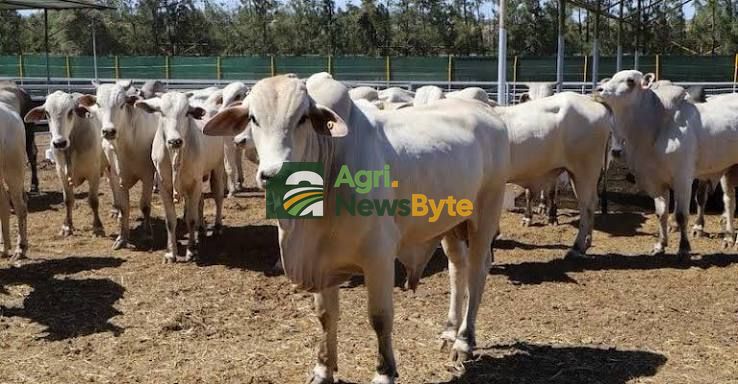
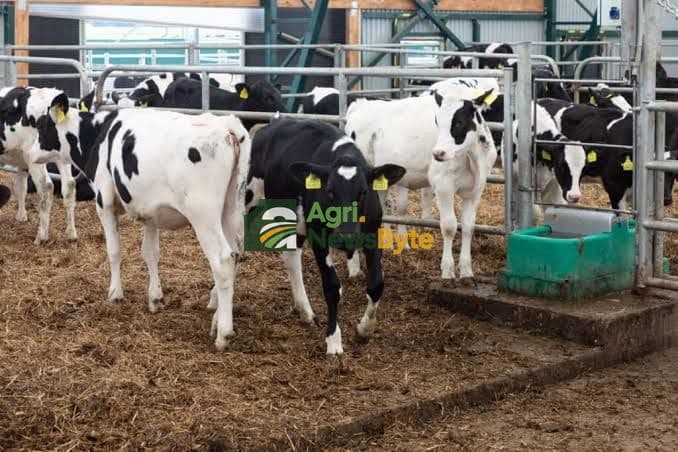
Kenya’s dairy sector is facing an estimated annual shortage of 30 million tons of livestock feed dry matter, raising concerns over milk production, farm profitability and the long-term resilience of the country’s dairy industry.
A Dairy Value Chain Gap Analysis by Heifer International Kenya estimates that the country requires approximately 55 million tons of feed dry matter annually, against an estimated available supply of 25 million tons.
The deficit is exposing persistent challenges in feed availability, affordability and quality, particularly during dry periods when natural pasture becomes scarce and farmers rely more heavily on purchased hay and other supplementary feeds.

In Bisil, Kajiado County, dairy farmer Jennifer Leshinka reported that her daily milk production fell from 120 liters to 50 liters over three months as pasture dwindled and the cost of supplementary hay increased.
At least five major women-led dairy cooperatives in Kajiado also reported a 50 per cent decline in milk deliveries from their members, according to the county's executive committee member in charge of cooperatives, Jeremiah Ole Ncharo.
Heifer International Kenya Country Director Wairimu Munyinyi said access to adequate, affordable and quality feed was essential to improving milk production, farm profitability and resilience.
The assessment identifies high feed costs, seasonal shortages, poor feed quality and limited access to mechanization among the constraints affecting the sector.
It recommends developing commercially viable feed and fodder enterprises, strengthening cooperatives as service delivery hubs, improving access to finance and expanding market linkages.
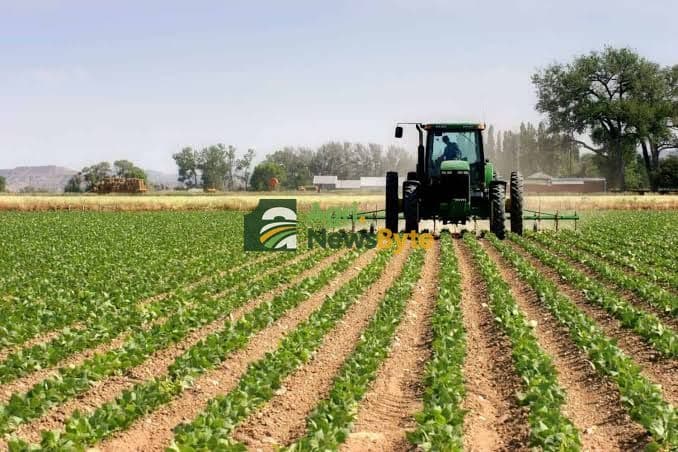
The findings underline the need to treat fodder production and conservation as year-round farm activities rather than emergency responses to drought.
For dairy farmers, addressing the feed gap could help stabilize milk output, reduce production costs and protect household incomes. However, this will require coordinated investment in forage production, storage, mechanization and access to affordable livestock nutrition.
Kamadi
More stories by Kamadi