Livestock Bill 2026 Proposes New Institutions to Regulate Kenya's Livestock Sector
Kenya's proposed Livestock Bill, 2026, seeks to establish specialized institutions to support livestock production, research, marketing and regulation, but concerns have emerged over plans to separate livestock research from KALRO.
11 November 2026 · 2 min read
Livestock Bill 2026 Proposes New Institutions to Regulate Kenya's Livestock Sector
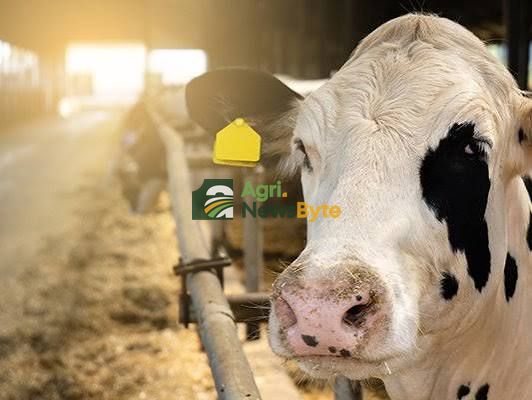
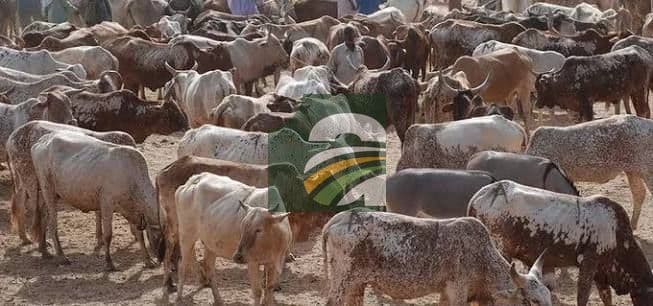
Kenya's livestock sector could undergo significant institutional changes if the proposed Livestock Bill, 2026, is passed, with the legislation seeking to establish specialized bodies to regulate, finance and support different livestock value chains.
The National Assembly's Departmental Committee on Agriculture and Livestock has begun engaging stakeholders on the proposed law, which is sponsored by National Assembly Majority Leader Kimani Ichung'wah.
Among the proposed institutions are the Livestock Sector Transformation Fund, Livestock Inputs and Products Regulatory Authority, Kenya Livestock Research Organization and Livestock and Livestock Products Marketing Board.

The Bill also proposes establishing the Kenya Veterinary Vaccines Institute, Kenya Tsetse and Trypanosomiasis Eradication Council, Kenya Animal Genetic Resources Centre and Kenya Leather Development Authority.
Other proposals include a Kenya School of Animal Resources and Industry and a regulatory framework for beekeeping.
The State Department for Livestock Development says the proposed legislation is intended to address institutional gaps in the sector by giving individual livestock value chains stronger representation and specialized regulatory support.
Dr Christopher Wanga, Director of Livestock Policy, Research and Regulation at the State Department, told the committee that the proposals followed recommendations by a presidential task force on parastatal reforms.
However, the proposal to establish a separate livestock research organization has raised concerns at the Kenya Agricultural and Livestock Research Organization (KALRO).
Dr Kipkemoi Changwony, KALRO's Director of Livestock Systems, warned that separating livestock research from the existing organization could weaken the integration of agricultural research.
He argued that livestock production depends on shared expertise and facilities, including agronomy, biotechnology, soil science, environmental science and laboratory services.
KALRO's position raises questions about how the proposed research institution would work with existing agricultural research programs and whether the transition could affect ongoing work supporting farmers.
Other stakeholders have supported the creation of a dedicated livestock research institution, arguing that the sector requires stronger institutional recognition and investment.
Professor Abdi Guliye, Presidential Advisor on Livestock and Rangeland Management, supported the proposal, saying livestock production had historically received less attention than other agricultural value chains.
The proposed reforms could affect livestock farmers, pastoralists, dairy producers, poultry keepers, traders and businesses operating across the sector.
If implemented, the new institutions could influence how farmers access veterinary services, livestock inputs, research, animal genetic resources, markets and financing.
However, the proposals are still subject to parliamentary consideration and should not be treated as changes that have already taken effect.
As scrutiny continues, farmers and industry stakeholders will be watching how the proposed institutions are funded, how their responsibilities are divided and whether the reforms will translate into better services and stronger markets for livestock producers.
Kamadi
More stories by Kamadi