

Indonesia plans tighter soybean import controls from January 2027
Indonesia plans to introduce new import permits and inspections for soybeans, seeking to reduce vulnerability to global price changes and its dependence on a limited number of suppliers.
20 November 2026 · 1 min read
Indonesia plans tighter soybean import controls from January 2027
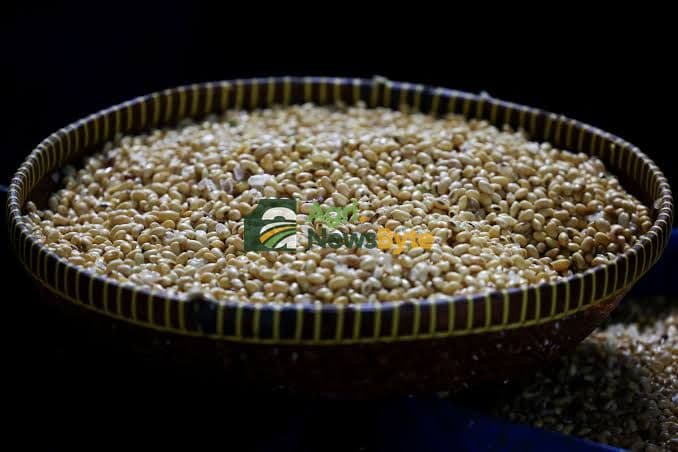
Indonesia plans to introduce tighter controls on soybean imports from January 1, 2027, through new permit and inspection requirements aimed at strengthening oversight of the country's supply chain.
Deputy Coordinating Minister for Food Affairs Hanif Faisol Nurofiq told Reuters on November 20 that the government intended to classify soybeans as essential goods and a strategic staple.
The proposed measures are intended to address Indonesia's dependence on a limited number of overseas suppliers, which the government says leaves domestic users exposed to global price changes and currency fluctuations.
Indonesia imported approximately 2.56 million metric tons of soybeans in 2025, spending US$1.19 billion.
About US$1.03 billion of those imports came from the United States, accounting for approximately 85 per cent of total shipments.
The new requirements are expected to take effect at the beginning of next year, according to a government document reviewed by Reuters.
Hanif said the changes would not establish a single-gate import system.
The proposed controls come as Jakarta negotiates a reciprocal trade agreement with Washington, which has previously pushed for the removal of non-tariff barriers affecting American agricultural exports.
Soybeans are a major input for Indonesia's food-processing industry, including tofu and tempeh production.
The policy could therefore affect importers, processors and food manufacturers, depending on how the permit and inspection requirements are implemented.
The government will need to balance stronger import oversight with the need to maintain reliable supplies for domestic processors and consumers.
Kamadi
More stories by Kamadi