



India approves $6.65 billion fertiliser subsidy for winter planting season
India has increased its fertilizer subsidy allocation by about 64% for the October 2026 to March 2027 season, as global supply disruptions and higher input costs raise pressure on agricultural production.
13 November 2026 · 2 min read
India approves $6.65 billion fertilizer subsidy for winter planting season
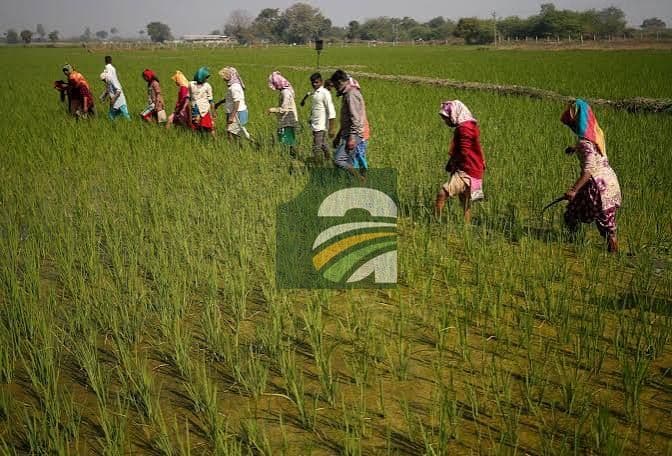
India has approved a fertilizer subsidy allocation of 623.70 billion rupees, approximately $6.65 billion, for the October 2026 to March 2027 winter cropping season as the government moves to shield farmers from rising input costs and disruptions in international supply chains.
The allocation is about 64 per cent higher than the 379.5 billion rupees budgeted for the previous winter season, according to a government announcement on November 11.
Information Minister Ashwini Vaishnaw said the decision was informed by changes in international fertilizer prices and the cost of key raw materials, including urea, di-ammonium phosphate (DAP), muriate of potash and sulphur.
The subsidy will be provided under the Nutrient Based Subsidy scheme, which covers phosphatic and potassic fertilizers, including DAP and various NPKS grades.
The increase comes as geopolitical conflicts and disruptions to global supply chains continue to affect fertilizer availability and import costs. India relies on international markets for several fertilizer products and raw materials, making domestic prices vulnerable to changes in global markets.
The government said the revised rates are intended to maintain fertilizer availability at affordable prices while adjusting support to reflect international input costs.
The latest approval takes the combined subsidy requirement for the winter and summer cropping seasons to approximately 1.04 trillion rupees, nearly 92 per cent higher than the 540 billion rupees allocated for nutrient-based subsidies in the 2026/27 budget.
India's total fertilizer subsidy budget, including urea, was set at 1.7 trillion rupees.
The decision highlights the financial pressure governments face when attempting to keep agricultural inputs affordable while international prices remain volatile.
For farmers, subsidized fertilizer can help reduce production costs and support the application of essential nutrients. However, the long-term impact will also depend on the timely availability of products, distribution efficiency and whether farmers can access the required fertilizer when planting.
The rising subsidy allocation also raises questions about the sustainability of public spending on agricultural inputs and the need to improve fertilizer-use efficiency.
As India prepares for the winter cropping season, the government's challenge will be to ensure that the additional allocation translates into reliable supplies and affordable prices at farm level.
Kamadi
More stories by Kamadi