
East African farmers push for recognition and protection of indigenous seeds
Farmers, researchers and policymakers have gathered in Nairobi to discuss the future of indigenous seeds and farmer-managed seed systems. The conference is examining how regional seed policies can protect agricultural biodiversity while supporting farmers' rights to save, exchange and develop trade.
18 November 2026 · 2 min read
East African farmers push for recognition and protection of indigenous seeds
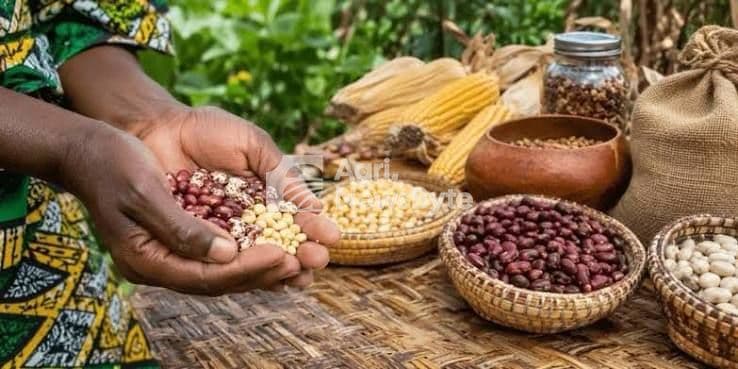
Farmers, researchers, policymakers and civil society organizations from across Eastern Africa have gathered in Nairobi to push for greater recognition and protection of indigenous seeds, amid concerns that restrictive seed laws and changing agricultural practices could weaken traditional farming systems.
The four-day First Eastern Africa Indigenous Seeds Conference opened on November 17, 2026, and is scheduled to run until November 20 under the theme, "Realizing the Right to Food through Seed Sovereignty".
The conference, convened by Seed Savers Network, aims to strengthen farmer-managed seed systems, promote agricultural biodiversity and advance farmers' rights to save, exchange, use and improve indigenous seed varieties.

Discussions are taking place against the backdrop of changes in agricultural seed regulation and a growing debate over the role of traditional seed systems alongside formal commercial markets.
Organizers say farmers should be recognized not only as consumers of commercial seed but also as custodians and developers of valuable genetic resources.
Seed Savers Network says it supports more than 120,000 farmers and has established 125 community seed banks to conserve indigenous seeds, strengthen local seed systems and promote agroecology.
Community seed banks provide a way for farmers to preserve locally adapted varieties and maintain access to planting material that may be suited to particular environmental conditions.
The conference is also examining how climate change, agricultural commercialization and declining crop diversity affect traditional farming systems.
Participants are expected to discuss the role of indigenous seeds in strengthening food security, preserving agricultural knowledge and helping farming communities respond to climate-related shocks.
Women and young people are expected to feature prominently in the discussions because of their role in conserving seeds and passing traditional agricultural knowledge between generations.
The program also covers indigenous livestock breeds, tree seeds and underutilized crops as part of wider efforts to protect agricultural biodiversity.
A key expected outcome is the establishment of a regional community of practice bringing together farmers, researchers, seed custodians, civil society organizations and policymakers to coordinate action beyond the conference.
The gathering follows a High Court judgment delivered on November 27, 2025, in the case of Wathome and 14 Others v Kenya Plant Health Inspectorate Service. The court declared specific provisions of the Seed and Plant Varieties Act and its 2016 regulations unconstitutional.
The conference is expected to contribute to discussions on how seed policies can balance the development of formal seed markets with the protection of farmer-managed systems.
For farming communities, access to diverse and locally adapted planting material can influence crop choices, resilience and the ability to preserve varieties suited to local conditions.
The discussions in Nairobi will therefore be important in shaping how East African countries approach seed regulation, agricultural biodiversity and the role of farmers in conserving and developing indigenous varieties.
Kamadi
More stories by Kamadi