Vietnam increases feed wheat imports as compound-feed prices rise
Vietnam's feed wheat imports increased by 60% year-on-year in the first eight months of 2026, as cheaper supplies attracted feed manufacturers despite rising compound-feed prices.
13 November 2026 · 2 min read
Vietnam increases feed wheat imports as compound-feed prices rise
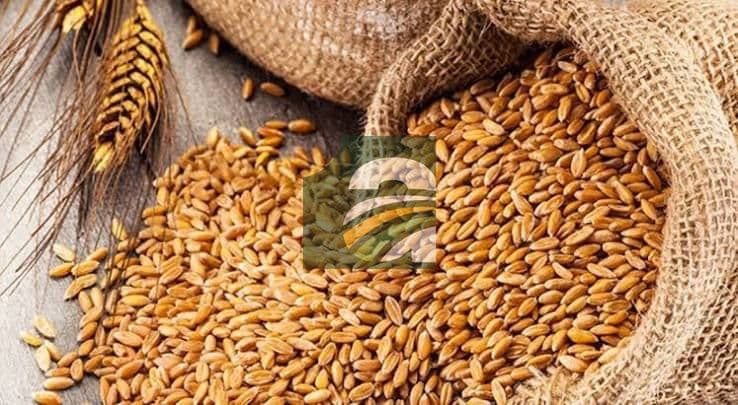
Vietnam increased its feed wheat imports by 60 per cent year-on-year in the first eight months of 2026, as the ingredient's price advantage attracted buyers despite rising compound-feed prices.
Feed wheat accounted for 56 per cent of the country's total wheat imports between January and August, according to the United States Department of Agriculture's October Grain and Feed Quarterly report cited by Asian Agribiz.
Vietnam imported 5.4 million tons of wheat during the eight-month period, an increase of 40 per cent compared with the same period a year earlier.

Argentina was the leading supplier of feed wheat, accounting for 84 per cent of Vietnam's feed wheat imports during the period. The South American country also supplied 52 per cent of Vietnam's total wheat imports.
The increase reflects the importance of price competitiveness in the animal-feed industry, where manufacturers regularly assess alternative ingredients to manage production costs.
Wheat competes with other feed ingredients, including maize, depending on relative prices, nutritional requirements and availability. A shift in the cost of one ingredient can therefore influence purchasing decisions among feed manufacturers.
However, Vietnam's feed wheat imports slowed towards the end of the reporting period. Imports fell to 94,000 tons in July and 21,000 tons in August, indicating a sharp reduction from earlier monthly volumes.
The country also imported 960,000 tons of distillers' dried grains with solubels (DDGS) between January and August, down 3 per cent year-on-year.
The USDA forecasts Vietnam's total wheat imports at 6.3 million tons for the 2026/27 marketing year, compared with an estimated 7.28 million tons in 2025/26.
The projected decline suggests that the strong increase recorded during the first eight months of 2026 may not continue at the same pace throughout the marketing year.
For Vietnam's livestock and poultry sectors, the movement of feed ingredient imports remains important because changes in raw material costs can influence the price of compound feeds and, ultimately, the cost of producing meat and eggs.
The latest figures highlight how international grain trade continues to shape production decisions in major animal-protein markets.
Kamadi
More stories by Kamadi