


Kenya extends raw macadamia export window by six months to clear accumulated stocks
Kenya has extended the controlled export window for raw macadamia nuts by another six months, allowing traders to access international markets and clear accumulated stocks. The move could give farmers alternative buyers, although it also renews debate over domestic processing and value addition.
17 November 2026 · 2 min read
Kenya extends raw macadamia export window by six months to clear accumulated stocks
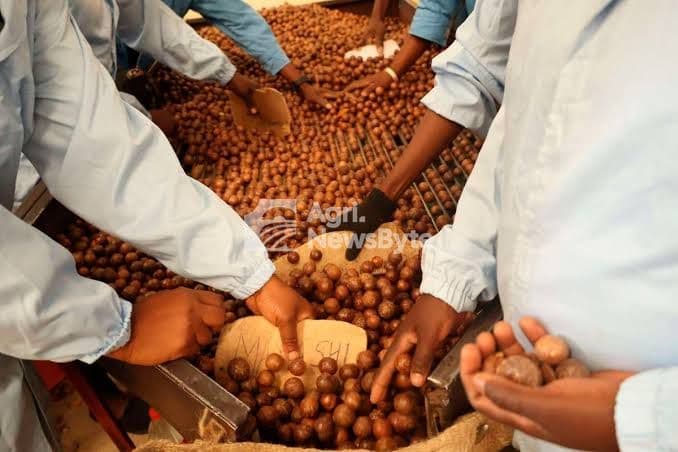
Kenya has extended the controlled export window for raw macadamia nuts by six months, giving farmers and traders additional time to sell accumulated stocks in international markets.
The Agriculture and Food Authority (AFA) approved the extension following concerns that more than 30,000 tons of raw nuts remained in farmers' and processors' stores after the previous export window closed in October.
The extension moves the deadline for the controlled export arrangement to May 2027 from October 2026.
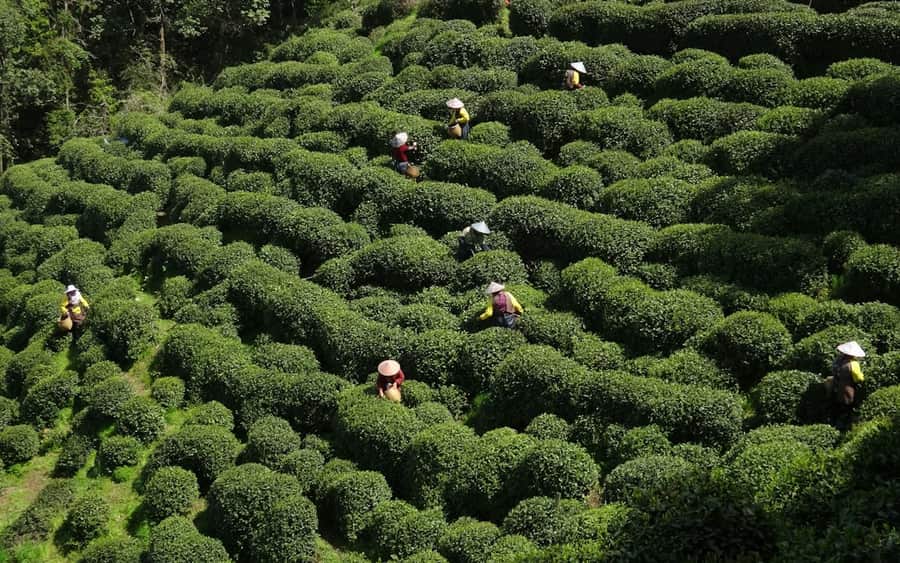
AFA said the decision, made in consultation with the office of Agriculture Cabinet Secretary Mutahi Kagwe, was intended to facilitate the marketing of remaining stocks and provide additional market opportunities.
The move follows the previous three-month export window, which closed on October 10. During that period, only 700 tons were shipped against an allocation of 14,000 tons, according to figures reported by Business Daily.
Industry stakeholders had raised concerns about the difficulties facing farmers and traders in selling their produce, with the Nut Traders Association of Kenya and the Kenya Macadamia Growers Association calling for more time to clear unsold stocks.
The new extension follows discussions at a macadamia industry stakeholder forum held in Gatanga, Murang'a County, on November 5.
The controlled export arrangement is important because Kenya generally restricts the export of raw, in-shell macadamia nuts unless approval is granted by the Agriculture Cabinet Secretary.
The restrictions are intended to encourage domestic processing and discourage premature harvesting, which can affect kernel recovery, oil content and the quality of exported products.
However, farmers and traders have argued that limiting access to export markets can reduce competition among buyers and weaken prices offered at the farm gate.
Business Daily reported that some farmers had received offers of between KSh50 and KSh80 per kilogram from local processors, compared with offers of up to KSh200 from export buyers. These are reported market offers rather than a uniform price available to all growers.
The extension could create additional opportunities for farmers to negotiate with buyers, but its impact will depend on the volume of nuts that can actually be exported and the prices growers receive.
The policy also presents a challenge for domestic processors, who argue that retaining raw nuts locally supports factory operations, employment and value addition.
Kenya's macadamia industry must therefore balance the need to improve farmers' returns with the importance of maintaining local processing capacity and protecting the quality of its exports.
The coming six months will provide an opportunity to assess whether the extended window can clear accumulated stocks while maintaining the quality standards required by international buyers.
Kamadi
More stories by Kamadi