India's record rice harvest creates surplus as storage and subsidy costs rise
India's rice output reached a record 154 million tons in the 2025/26 season, with production exceeding domestic consumption. The growing surplus is putting pressure on storage facilities and public spending while increasing the country's influence on global rice markets.
18 November 2026 · 2 min read
India's record rice harvest creates surplus as storage and subsidy costs rise
India's record rice production is creating a growing surplus, putting pressure on government storage facilities and agricultural subsidy spending as output continues to exceed domestic consumption.
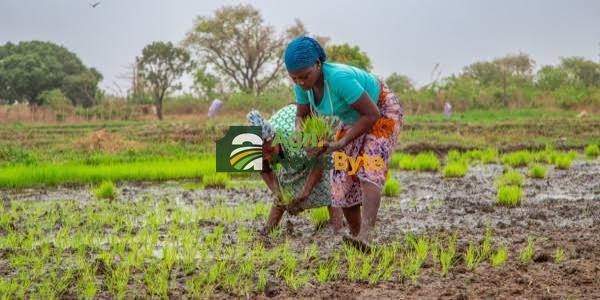
The country's rice production increased by 50 per cent over the past decade to reach a record 154 million tons in the 2025/26 season, according to a Reuters report published on November 18, 2026.
The increase has been supported by advances in crop science, government price support programs and additional incentives offered by some state governments.

India's domestic rice consumption stood at 107 million tons, leaving a significant gap between the amount produced and the quantity consumed within the country.
The surplus has contributed to a sharp increase in exports, which doubled over a decade to 22.3 million tons in 2025. India now accounts for approximately 40 per cent of global rice trade.
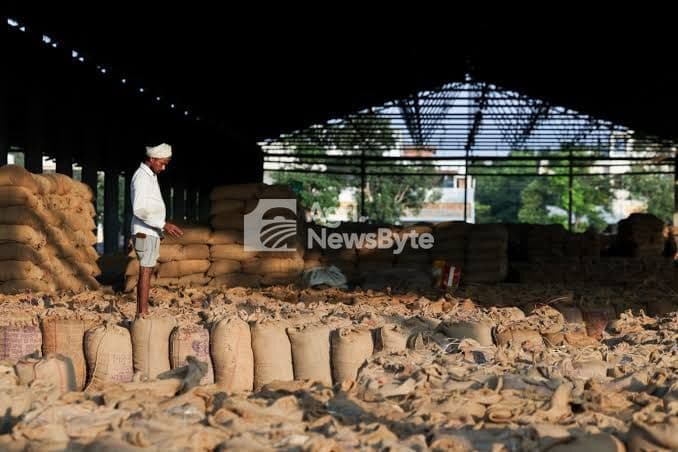
However, the higher output is creating difficulties for policymakers, particularly as government warehouses struggle to accommodate rising stocks.
Government rice stocks reached a record 55.47 million tons on October 1, more than four times the official target, Reuters reported.
The financial cost of maintaining the production system is also increasing. Rice subsidies account for more than two-thirds of India's federal food subsidy bill, which reached 2.28 trillion rupees in the 2025/26 financial year.
The surplus has also intensified competition between India and other rice-exporting countries, including Thailand and Vietnam. Indian rice was reported to be selling at a discount of approximately $110 per ton compared with benchmark Thai rice in mid-November.
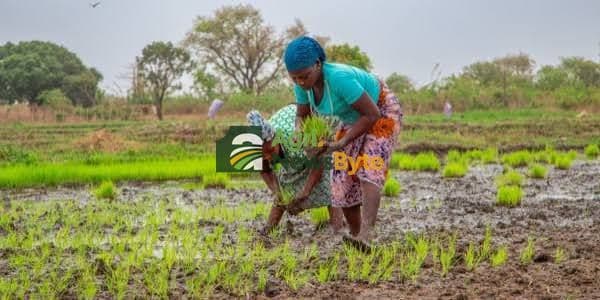
India's production gains have partly been driven by flood-tolerant varieties such as Swarna-SUB1, which have helped farmers in flood-prone eastern regions achieve more reliable harvests.
In Bihar, rice production increased by 182 per cent over 15 years to 8.75 million tons in 2025/26, while neighboring Odisha recorded production of 10.2 million tons.
Researchers are also working on rice varieties that combine flood and drought tolerance, potentially increasing production further in the coming years.
However, the expansion of rice cultivation has raised environmental concerns, particularly over water use. Rice production requires substantial amounts of water, and government officials have warned that continued cultivation is putting pressure on groundwater resources.
The production incentives have also encouraged farmers to prioritize rice over other crops, including oilseeds and pulses, which India continues to import in large quantities.
The government has encouraged states to reconsider additional bonuses that encourage rice cultivation and support diversification into other crops. However, the proposals have faced resistance because farmers depend on the incentives and state governments are reluctant to withdraw popular support programs.
India's growing rice surplus illustrates the difficulty of balancing farmer support, national food security, export competitiveness and sustainable resource use.
Although high production strengthens food availability and export capacity, the rising costs of storing and subsidizing excess grain are raising questions about whether current incentives can remain financially and environmentally sustainable.
Kamadi
More stories by Kamadi