
Farmers Increasingly Use Loans to Pay for Inputs and Labour, CBK Survey Shows
A Central Bank of Kenya survey shows that 45 per cent of sampled farmers borrowed to finance agricultural activities in September, with most using the funds to purchase inputs and meet labor costs.
11 November 2026 · 2 min read
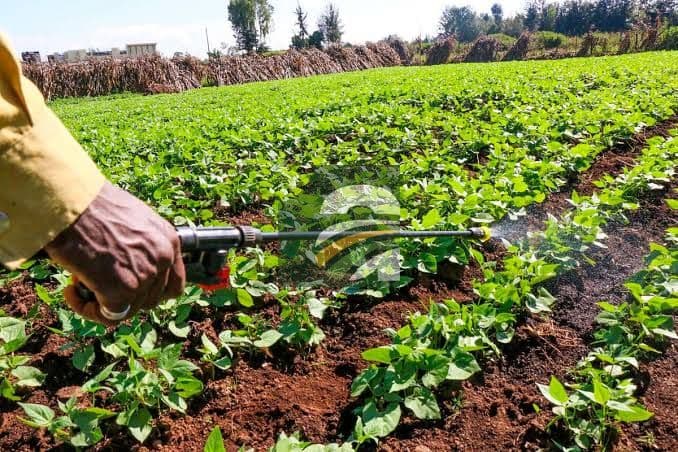
Farmers Increasingly Use Loans to Pay for Inputs and Labor, CBK Survey Shows
A growing number of Kenyan farmers are turning to borrowing to finance agricultural activities, with most using the money to purchase farm inputs and pay workers, according to a survey by the Central Bank of Kenya (CBK).
The September 2026 Agriculture Sector Survey found that 45 per cent of sampled farmers had borrowed to finance farming activities, compared with 34 per cent in July.
Among respondents who reported using agricultural credit, 91 per cent said they used the funds to purchase inputs such as fertilizer, seeds and pesticides. This was an increase from 81 per cent in the July survey.

The proportion of farmers using loans to meet labor costs also increased, rising from 49 per cent in July to 60 per cent in September.
The findings highlight the role of credit in financing routine farm operations, particularly expenses that farmers must meet before harvesting and selling their produce.
The survey also showed a shift in the sources of agricultural credit, with more respondents reporting borrowing from Savings and Credit Cooperative Societies (SACCOs) and commercial banks.
SACCOs were cited by 32 per cent of sampled farmers in September, up from 17 per cent in July, while commercial bank borrowing rose from 21 per cent to 29 per cent over the same period.
Meanwhile, borrowing from family and friends declined from 38 per cent to 29 per cent. The proportion reporting the use of digital loans also fell from 16 per cent to 13 per cent.
Other reported uses of agricultural credit included diversifying farming activities, cited by 36 per cent of respondents, hiring or leasing farm equipment at 32 per cent, and purchasing machinery at 29 per cent.
The CBK said farmers' choice of credit providers could change depending on borrowing costs, loan conditions, ease of access and awareness of available financing options.
The survey was conducted between September 21 and 25, 2026, and involved 466 respondents drawn from selected farms and wholesale and retail markets across the country. Farmers accounted for 49 per cent of the respondents, retailers 38 per cent and wholesalers 13 per cent.
The report also found that 76 per cent of sampled farmers mainly depended on rain-fed agriculture, exposing their production activities to changing weather conditions.
The findings raise questions about the affordability and suitability of agricultural credit, particularly for farmers whose ability to repay loans depends on harvest volumes, market prices and seasonal conditions.
For farmers, access to financing remains important, but the cost of borrowing and the timing of repayments can determine whether credit supports farm expansion or adds pressure to household finances.
Kamadi
More stories by Kamadi