
Bura sugar export ambition faces questions over land, irrigation and production capacity
Kenya's plan to turn the Bura Irrigation Scheme into a major sugar-producing hub has drawn attention to large-scale private investment in Tana River County. But official irrigation records show a substantial gap between the scheme's total gazetted area and land currently under production.
13 November 2026 · 3 min read
Bura sugar export ambition faces questions over land, irrigation and production capacity
Kenya's ambition to become a sugar exporter within the next three years is placing the Bura Irrigation Scheme in Tana River County at the center of plans to expand large-scale agricultural production through private investment.
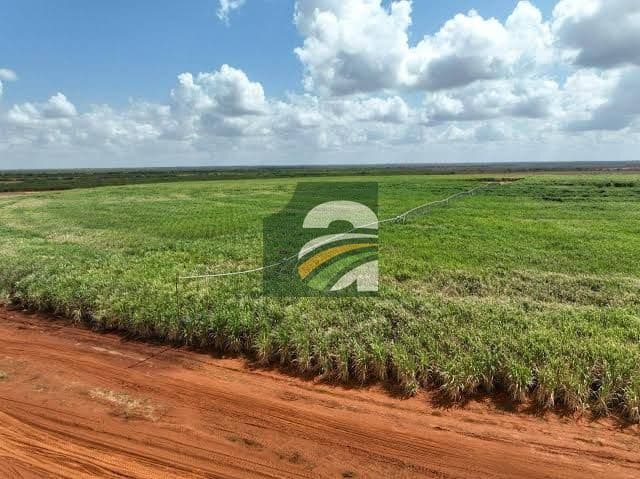
The government has announced plans to attract investors to develop sugarcane and rice production at the scheme, which has a gazetted area of 176,000 acres.
Head of Public Service Felix Koskei said during a visit to the project that 135,000 acres had been leased to investors for sugarcane and rice production.

Among the companies involved are Sukari Industries and Tana River Sugar, each of which has signed agreements covering 50,000 acres for sugarcane production.
The National Irrigation Authority (NIA) confirmed the agreements in separate announcements in March and April 2026, detailing the allocation of 50,000 acres to each company for large-scale sugarcane development.
The investment forms part of a wider plan to use the region's land and water resources to expand agricultural production and support Kenya's ambition of entering the sugar export market.
However, the scale of the proposed development must be considered against the scheme's existing irrigation capacity and actual production levels.
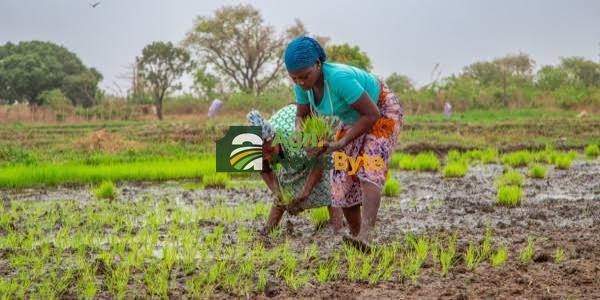
According to the National Irrigation Authority, Bura has 176,000 gazetted acres, but only 12,000 acres have been developed with irrigation infrastructure. Approximately 6,000 acres are currently under crop, mainly rice and maize.
The authority's project information also indicates that further expansion is planned, initially targeting an additional 20,000 acres under irrigation before progressively increasing the area.
This difference between the scheme's total land area and the acreage currently equipped for irrigation raises important questions about the infrastructure required to support the proposed investments.
Sugarcane production on a large scale requires reliable water supply, land preparation, transport infrastructure, processing facilities and a dependable market for the harvested cane.
The availability of water from River Tana and the development of a gravity-fed irrigation system are central to the government's plans for the scheme.
The Bura Irrigation Development Project is intended to reduce reliance on pumped water and expand the area served by irrigation infrastructure. The National Irrigation Authority says the project is designed to increase production and improve livelihoods among communities in the scheme.
The involvement of private investors could bring capital, processing capacity and new employment opportunities. However, the long-term viability of the project will depend on whether the necessary infrastructure is completed and whether production targets are supported by credible assessments of water availability, soil suitability and processing capacity.
The proposed sugar expansion also raises questions about the relationship between large-scale commercial farming and existing scheme users, including farmers who depend on Bura for rice, maize and other crops.
The authority's published information identifies 2,245 beneficiary households and describes a scheme where farmers are settled across 11 villages. Any expansion involving large land allocations will therefore need clear information on land-use arrangements, community participation and the protection of existing livelihoods.
Kenya's sugar export ambition is also dependent on more than increasing the acreage under cane. Investors will need to demonstrate that production can be processed efficiently and that the resulting sugar can compete in regional and international markets.
The government has presented Bura as a major opportunity for agricultural investment, but the scale of the ambition makes transparent reporting on land development, water use, processing capacity and actual output essential.
For farmers and communities in Tana River, the success of the project will ultimately be measured not only by the acreage announced for investment, but by the infrastructure delivered, the opportunities created and the benefits that reach local producers.
Kamadi
More stories by Kamadi