
Nigeria commits ₦450 billion to agricultural programs targeting 500,000 farmers
Nigeria says agricultural financing programs worth ₦450 billion have reached more than 500,000 smallholder farmers, as the government plans a major recapitalization of the Bank of Agriculture.
23 November 2026 · 1 min read
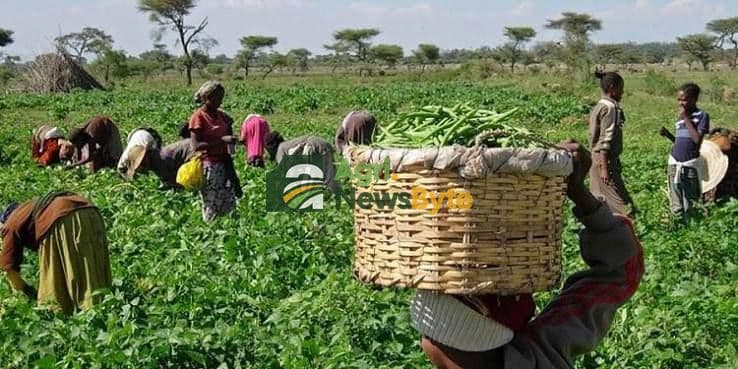
Nigeria commits ₦450 billion to agricultural programs targeting 500,000 farmers
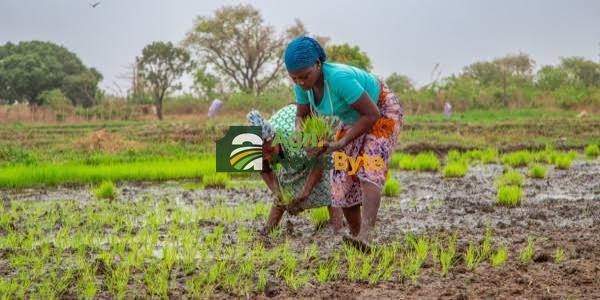
Nigeria's Federal Government says it has committed ₦450 billion to agricultural financing programs that have reached more than 500,000 smallholder farmers across 16 states.
The financing initiative is part of efforts to increase domestic food production, strengthen food security and improve access to agricultural inputs and funding.
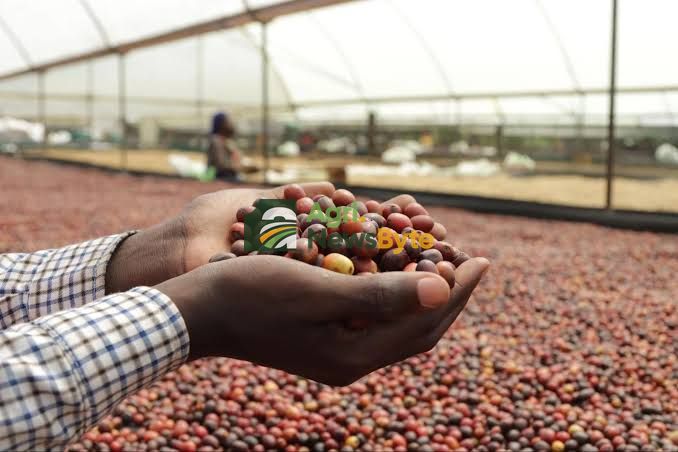
According to a report by BusinessDay published on November 23, the programs include the distribution of 2.5 million bags of fertilizer and 300,000 bags of certified seeds.

The government has also approved plans to recapitalize the Bank of Agriculture with ₦1.5 trillion, a move intended to expand access to affordable financing for farmers, agricultural cooperatives, processors and other businesses across the value chain.
The proposed recapitalization is expected to strengthen the bank's ability to support agricultural investment and improve access to credit for businesses that often struggle to obtain commercial financing.
The financing push also includes plans to support cultivation across 500,000 hectares, although the scale and timing of implementation will be important in determining how quickly the interventions translate into higher production.
Access to finance remains a major constraint for smallholder farmers in many African countries, where high input costs, limited collateral and exposure to weather-related risks can restrict investment.
For Nigerian farmers, affordable credit could support the purchase of seeds, fertilizer, machinery and other inputs required to improve productivity.
However, the impact of the program will depend on how funds are disbursed, the criteria used to select beneficiaries and whether farmers can access financing in time for their planting seasons.
Further details on the distribution of funds among states, repayment conditions and monitoring arrangements will be important in assessing the programs effectiveness.
Kamadi
More stories by Kamadi